
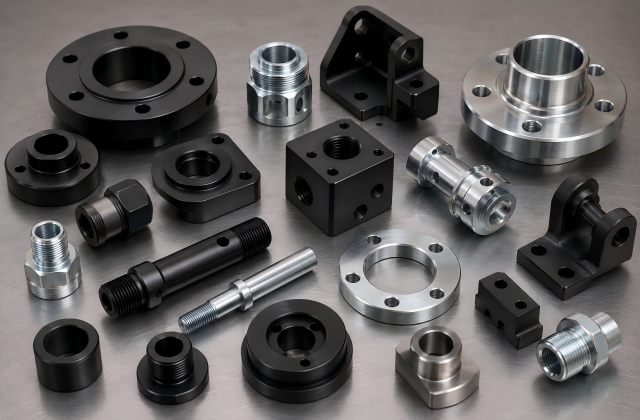
Material Selection Guide for High-Precision CNC Machining
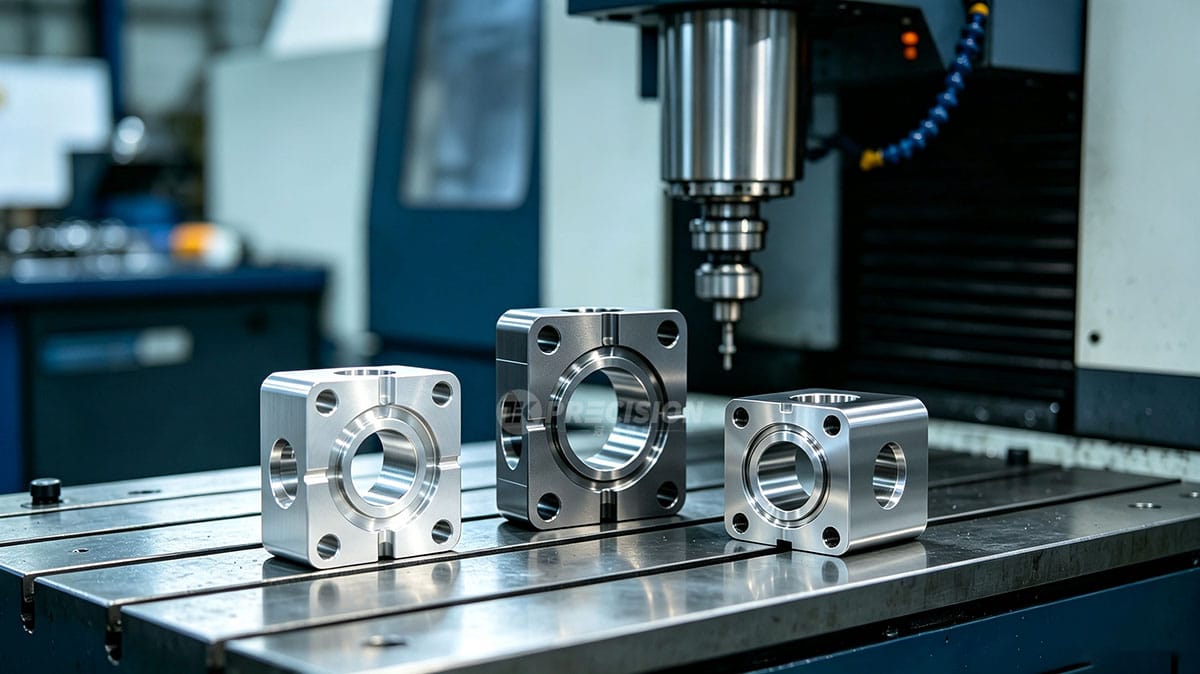
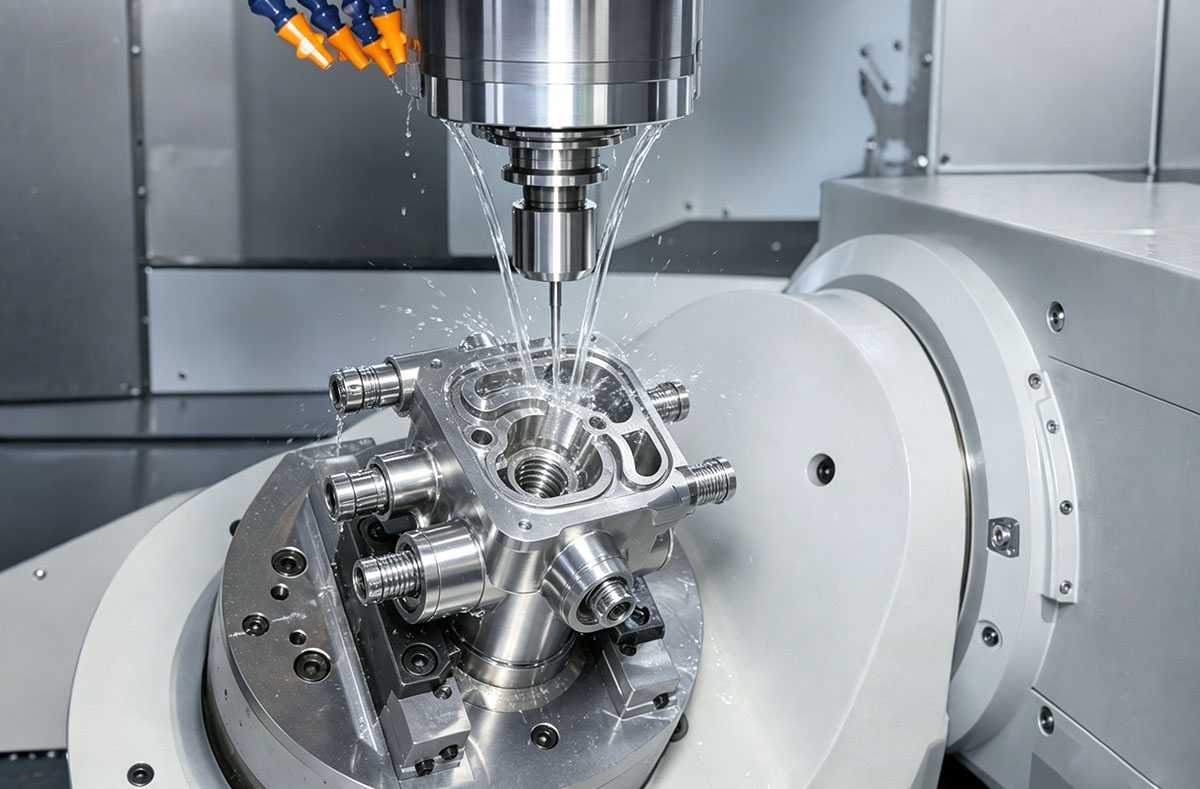
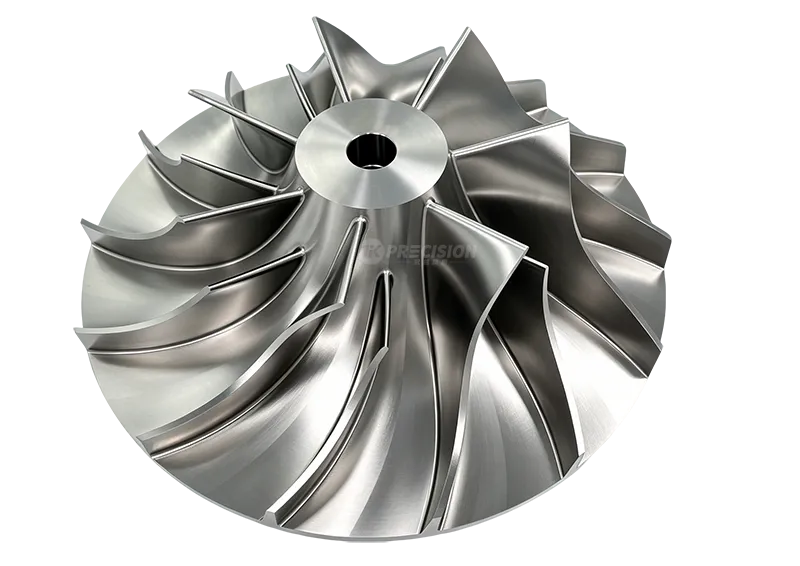
In the world of high-precision manufacturing, achieving micron-level tolerances and superior surface finishes depends on more than just advanced machinery and skilled programming. Consequently, the choice of CNC machining materials is the foundation of every successful project.
At TikPrecision, we understand that material properties—such as machinability, thermal stability, and hardness—directly impact the quality and cost of the final component. Furthermore, this guide explores the top CNC machining materials used in precision manufacturing to help you make an informed decision.
1. High-Performance CNC Machining Materials: Metals
Aluminum Alloys: The Versatile Choice
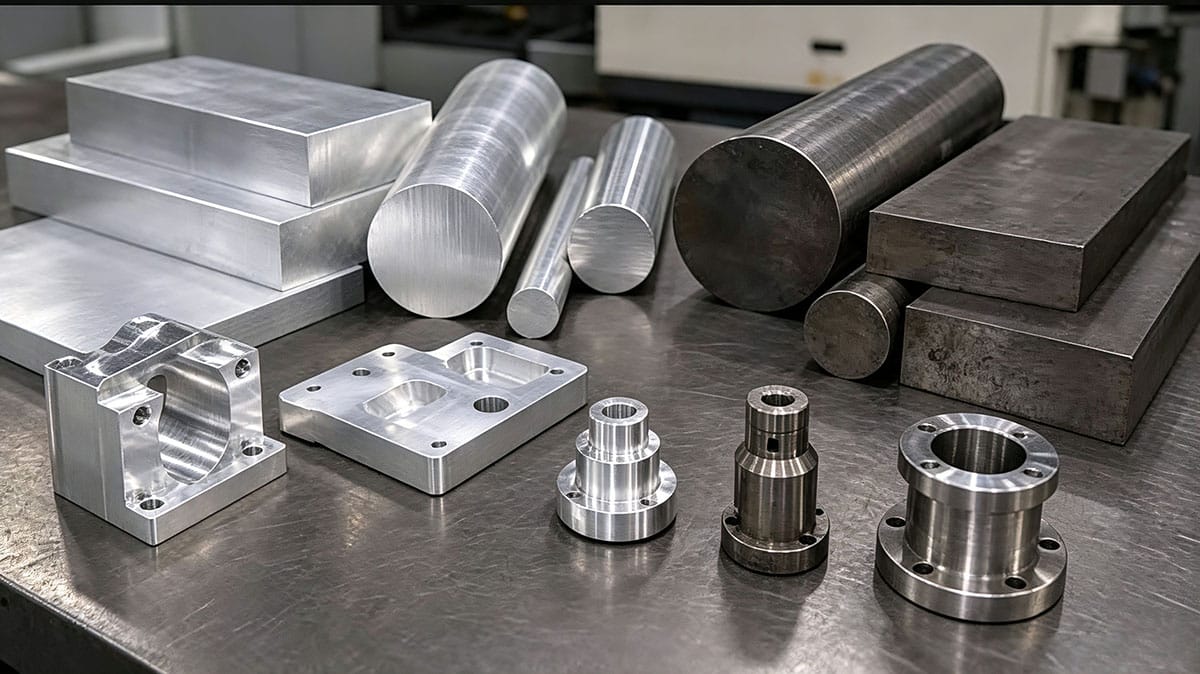
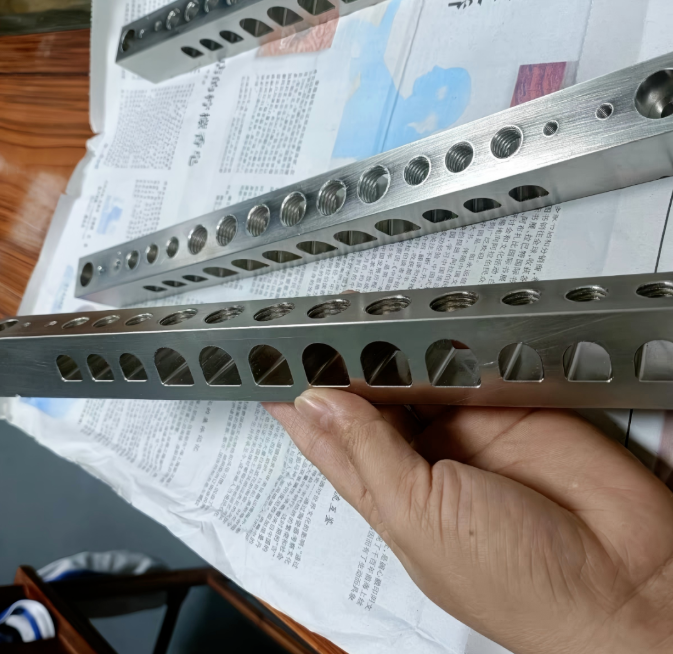
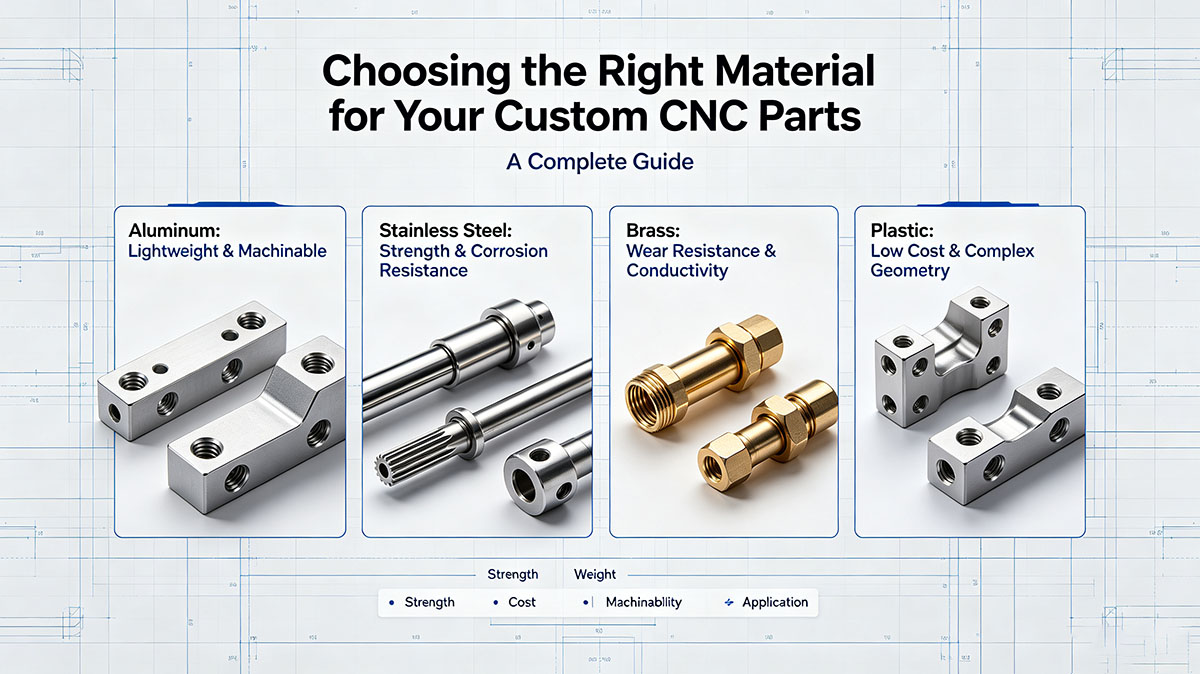
Aluminum is the most popular material for CNC machining due to its excellent strength-to-weight ratio and high machinability.
- AL6061-T6: The “workhorse” of the industry. It offers great weldability and corrosion resistance, ideal for structural components.
- AL7075-T6: Known for its high fatigue strength, it is often used in aerospace and high-stress automotive applications where durability is paramount.
Stainless Steel: Durability and Corrosion Resistance
When your parts need to withstand harsh environments, stainless steel is the go-to option for CNC machining materials.
- SS304: Excellent for general-purpose applications, especially in food processing and medical devices.
- SS316L: Higher molybdenum content makes it resistant to chlorides, perfect for marine and chemical processing equipment.
- 17-4 PH: A martensitic precipitation-hardening stainless steel that provides an outstanding combination of high strength and good corrosion resistance.
Titanium: The Hero of Extreme Environments
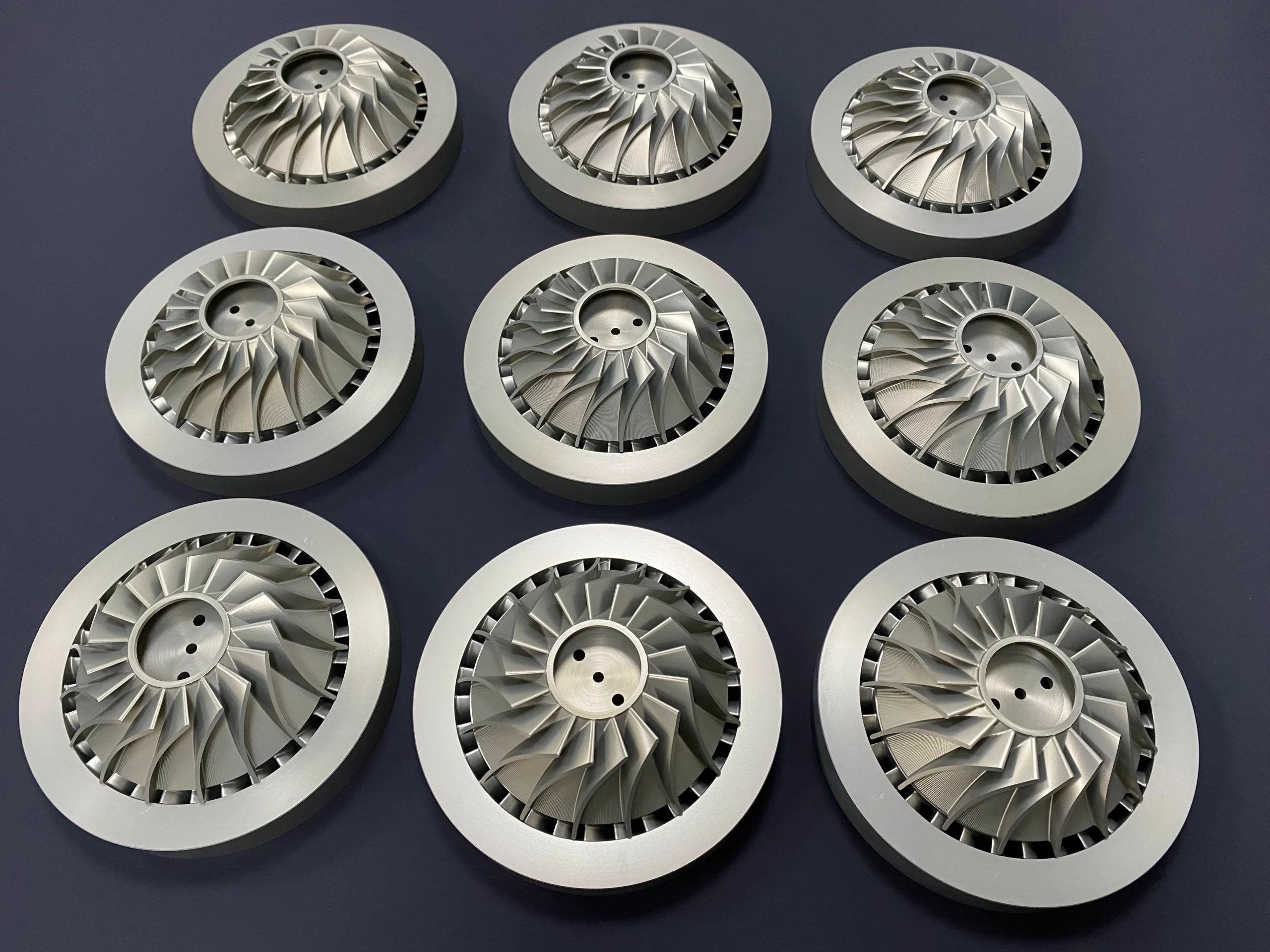
Titanium (Grade 5 / Ti-6Al-4V) is prized for its biocompatibility and extreme heat resistance. While challenging to machine due to low thermal conductivity, it is irreplaceable for medical implants and aerospace engine parts.
2. Engineering Plastics as CNC Machining Materials
Precision CNC machining isn’t limited to metals. In addition, high-performance plastics are essential for the semiconductor, medical, and electronics industries.
- PEEK (Polyetheretherketone): A premium thermoplastic with exceptional mechanical strength and chemical resistance. It can replace metals in high-temperature environments.
- POM (Delrin/Acetal): Known for its high stiffness, low friction, and excellent dimensional stability. It is the preferred material for precision gears and sliding parts.
- PTFE (Teflon): Offers superior chemical inertness and electrical insulation, often used in high-frequency electronic components.
3. Key Factors to Consider in Material Selection
To ensure your design translates perfectly into a physical part, consider these three critical factors. For more details on precision, view our CNC Machining Tolerances Guide.
- Machinability: Some materials are easier to cut, which reduces tool wear and shortens production time, ultimately lowering costs.
- Thermal Stability: For high-precision parts, materials with low thermal expansion coefficients are necessary to maintain dimensions during the heat-generating machining process.
- Post-Processing Compatibility: Does the part require anodizing, heat treatment, or plating? Ensure the chosen material is compatible with the required surface finish.
Why Choose TikPrecision for Your Project?
Selecting the right CNC machining materials is only half the battle. You need a manufacturing partner who understands the nuances of how these materials behave under the cutting tool. At TikPrecision, we combine years of expertise with state-of-the-art CNC technology to deliver parts that meet your exact specifications.
Ready to start your next project? Contact TikPrecision today for a professional DFM (Design for Manufacturing) analysis and a competitive quote.