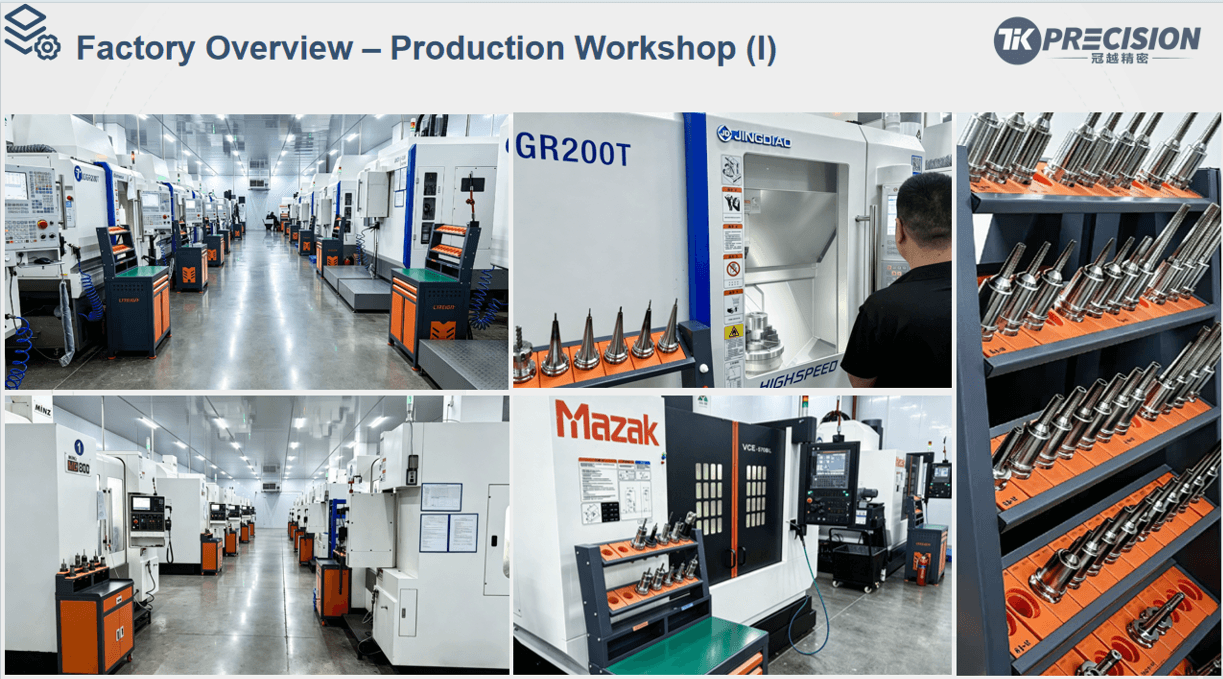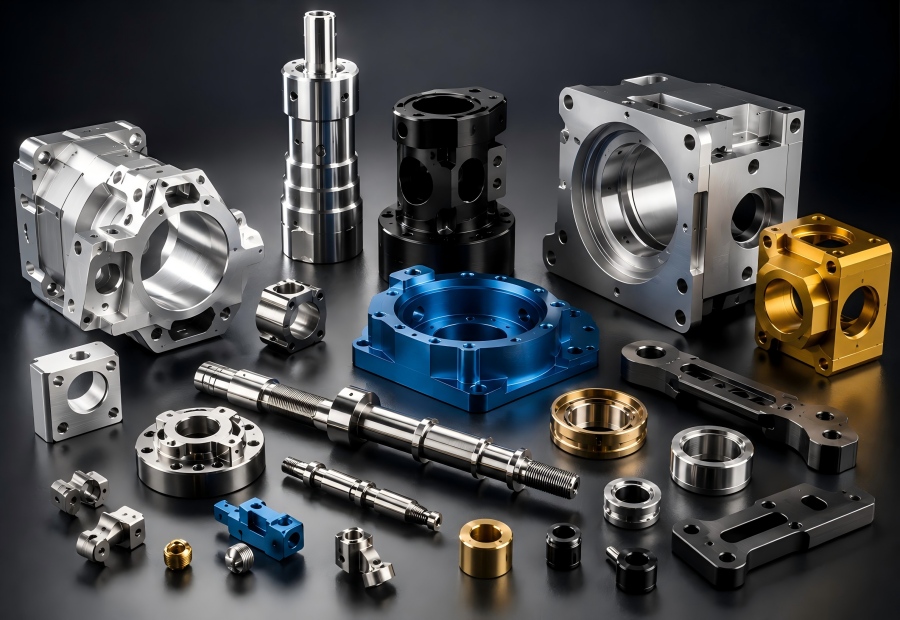
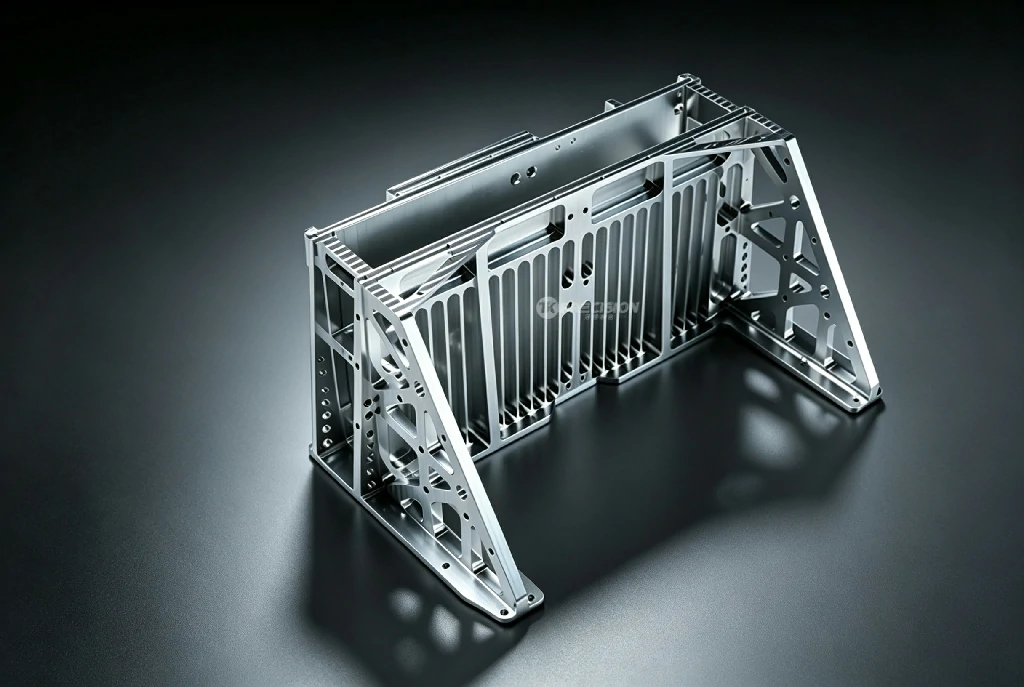
Aerospace turbine blades feature complex, twisted geometries and thin-wall sections that present significant manufacturing hurdles. Controlling distortion during the machining process is critical for maintaining aerodynamic efficiency and structural integrity. At Tik Precision, we utilize advanced precision CNC machining services to overcome these challenges and deliver high-performance components.
Why Distortion Occurs in Thin-Wall Turbine Parts
Several factors contribute to dimensional instability during manufacturing. Understanding these causes is the first step in effective distortion control in aerospace turbine parts:
- Residual Stress Release: Raw materials like Inconel or Titanium often contain internal stresses from forging. Machining removes material and releases these stresses, causing the part to warp.
- Cutting Forces: The pressure exerted by cutting tools can easily deflect thin-wall sections. This leads to thickness variations and profile errors.
- Thermal Expansion: Heat generated during machining exotic alloys causes the workpiece to expand. This expansion results in dimensional inaccuracies once the part cools.
Advanced Strategies for Distortion Control
We employ a multi-layered approach to ensure every component meets strict aerospace-grade tolerances:
- Stress Relieving Cycles: We integrate intermediate heat treatments between roughing and finishing stages. This stabilizes the material and prevents movement.
- Custom Workholding: Utilizing encapsulation or specialized fixtures provides continuous support to thin walls. This minimizes vibration and deflection during the cut.
- Optimized Toolpaths: Our team uses 5-axis CNC machining to maintain constant engagement. This balances cutting forces across the airfoil surface.
Precision Finishing and Inspection
Maintaining accuracy requires constant monitoring. We follow a rigorous process to guarantee quality:
- In-Process Probing: Real-time measurements allow us to adjust toolpaths dynamically to compensate for any detected movement.
- Sub-Micron Metrology: Final verification is performed using Zeiss CMM technology. This ensures the precision machining of aerospace turbine blades meets all design specifications.
Frequently Asked Questions
How do you prevent thin walls from vibrating?
We use high-frequency dampening tools and custom-designed fixtures that support the part’s geometry throughout the machining cycle.
Is material selection important for distortion control?
Yes. Choosing the right heat-treat condition for the raw material significantly impacts how much it will move during machining.
Conclusion
Mastering distortion control is essential for producing world-class aerospace components. Tik Precision combines technical expertise with advanced technology to deliver perfection in every part. For more insights into our quality standards, check our DFM checklist for aerospace manufacturing.