
In precision manufacturing, the choice between 3-axis and 5-axis CNC machining is one of the most consequential decisions an engineer or procurement manager can make. While 3-axis machining has been the industry workhorse for decades, 5-axis technology is rapidly becoming the standard for complex, high-tolerance parts. But is 5-axis always the right choice? And at what point does upgrading make financial sense?
Understanding the Fundamental Difference
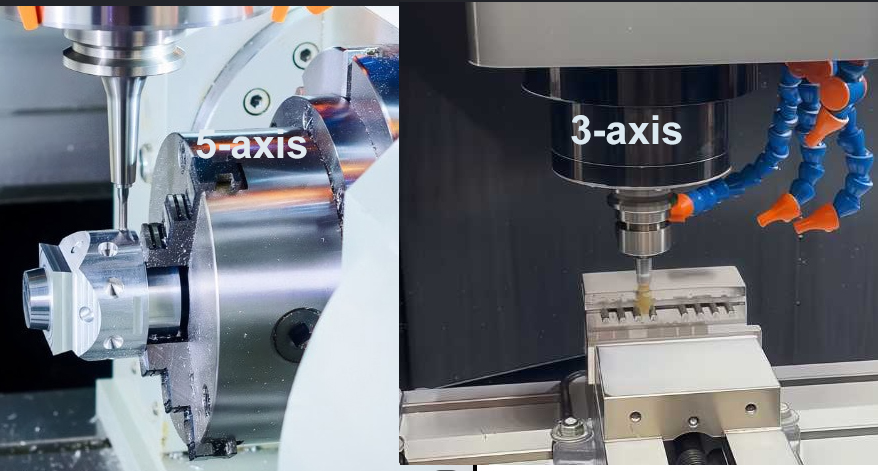
A 3-axis CNC machine moves the cutting tool along X, Y, and Z linear axes. The workpiece remains stationary during cutting, meaning the tool can only approach from one orientation at a time. For a part requiring machining on multiple faces, operators must manually reposition the workpiece between operations — a process called re-fixturing.
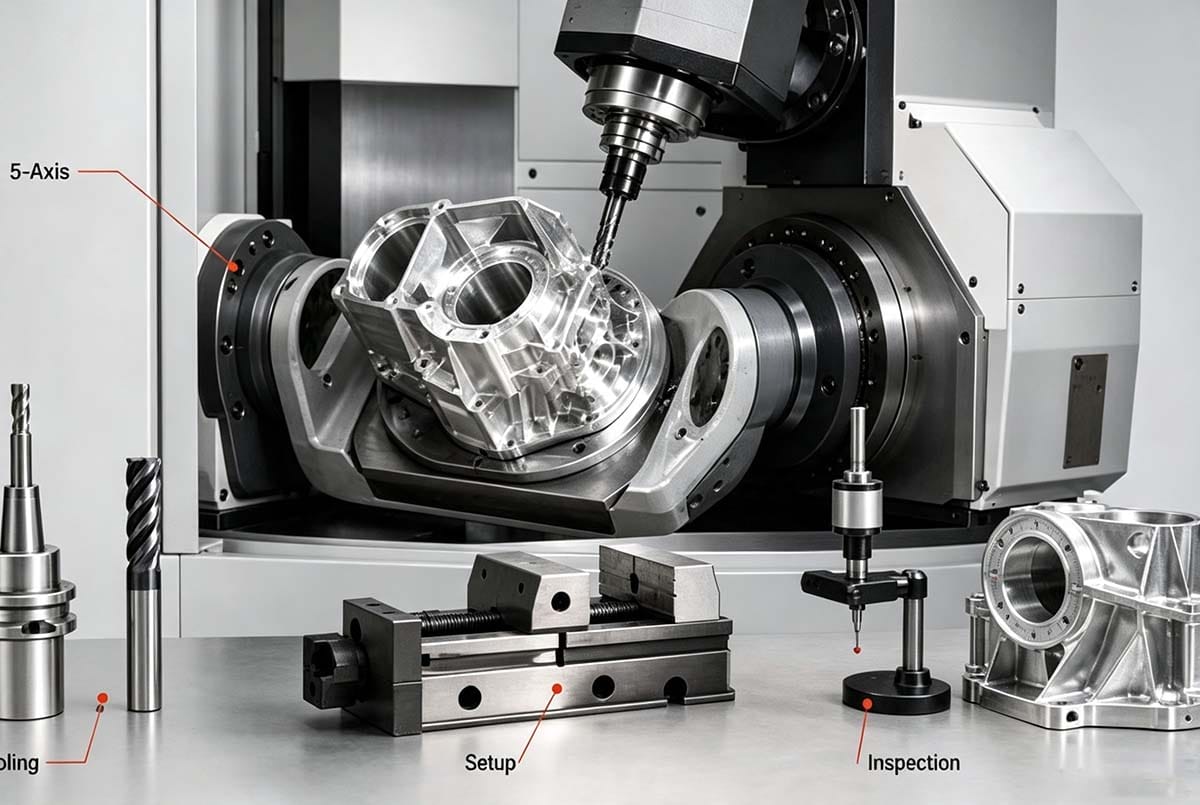
A 5-axis machine adds two rotational axes (typically A and B, or A and C), allowing the cutting tool or workpiece to tilt and rotate. This means the tool can approach the part from virtually any angle in a single setup.
When 3-Axis Makes More Sense
Despite the buzz around 5-axis technology, 3-axis machining remains the optimal choice for many applications:
- Simple geometry: Parts with flat surfaces, straight holes, and basic pockets can be efficiently produced on 3-axis machines at lower cost.
- High-volume production: For large production runs of relatively simple parts, dedicated 3-axis fixtures and pallet systems can achieve excellent throughput.
- Budget constraints: 3-axis machines have significantly lower capital costs and simpler programming requirements, making them accessible to smaller shops.
- Large workpieces: When machining very large parts, 3-axis machines often offer larger work envelopes at a given price point.
The 5-Axis Advantage: Real-World Scenarios
Upgrading to 5-axis becomes compelling when your parts exhibit one or more of these characteristics:
1. Complex Contoured Surfaces
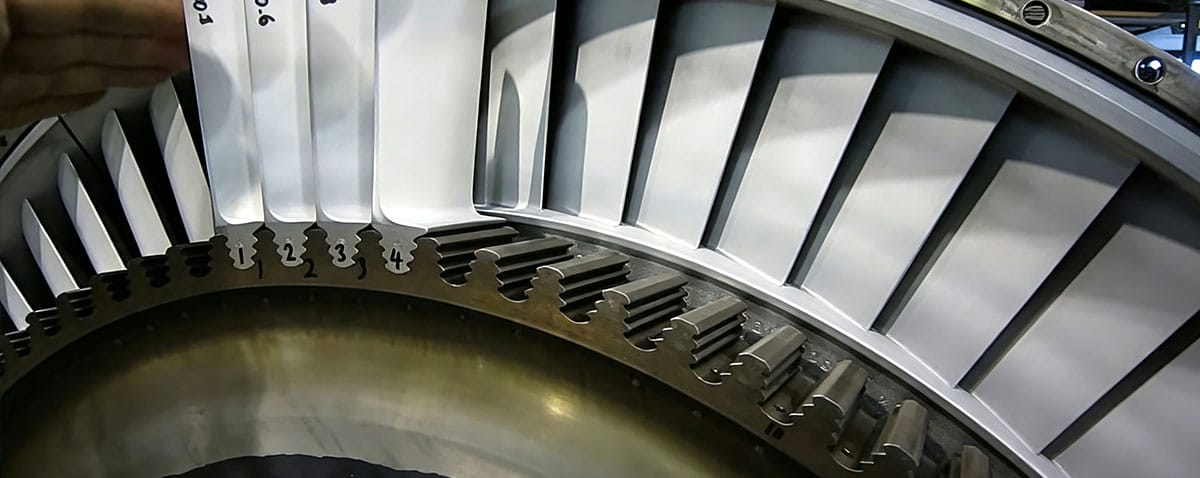
Impellers, turbine blades, and orthopedic implants feature compound curves that are physically impossible to machine on a 3-axis machine without specialized fixturing. 5-axis technology enables the tool to maintain optimal cutting angles across these surfaces, delivering superior surface finish and dimensional accuracy.
2. Tight Tolerances Across Multiple Faces
Every time you re-fixture a part on a 3-axis machine, you introduce positioning error. For parts requiring precise geometric relationships between features on different faces — such as aerospace structural brackets or optical mounts — 5-axis single-setup machining eliminates cumulative tolerance stack-ups.
3. Deep Cavities and Undercuts
5-axis machines can tilt the tool to reach into cavities that would require prohibitively long tools on a 3-axis setup. Using shorter tools improves rigidity, reducing chatter and improving surface quality — critical for mold and die applications.
4. Reduced Setup Time
A part requiring six setups on a 3-axis machine can often be completed in one or two setups on a 5-axis. For low-to-mid volume production, the elimination of multiple fixturing operations dramatically reduces lead time and labor costs.
Cost Analysis: The Real ROI of 5-Axis
The decision ultimately comes down to return on investment. Consider a part with the following profile:
- 5 operations on a 3-axis machine: 4 hours total (including fixturing)
- 2 operations on a 5-axis machine: 1.5 hours total
- Annual volume: 500 parts
At a shop rate of $120/hour, 5-axis machining saves $150,000 annually on this single part — while also improving consistency and freeing machine capacity for additional work.
Key Considerations Before Upgrading
- Programming complexity: 5-axis CAM programming requires more sophisticated software and skilled programmers. Factor in training or hiring costs.
- Workholding solutions: 5-axis fixturing is fundamentally different from 3-axis. Invest in modular, quick-change workholding systems to maximize flexibility.
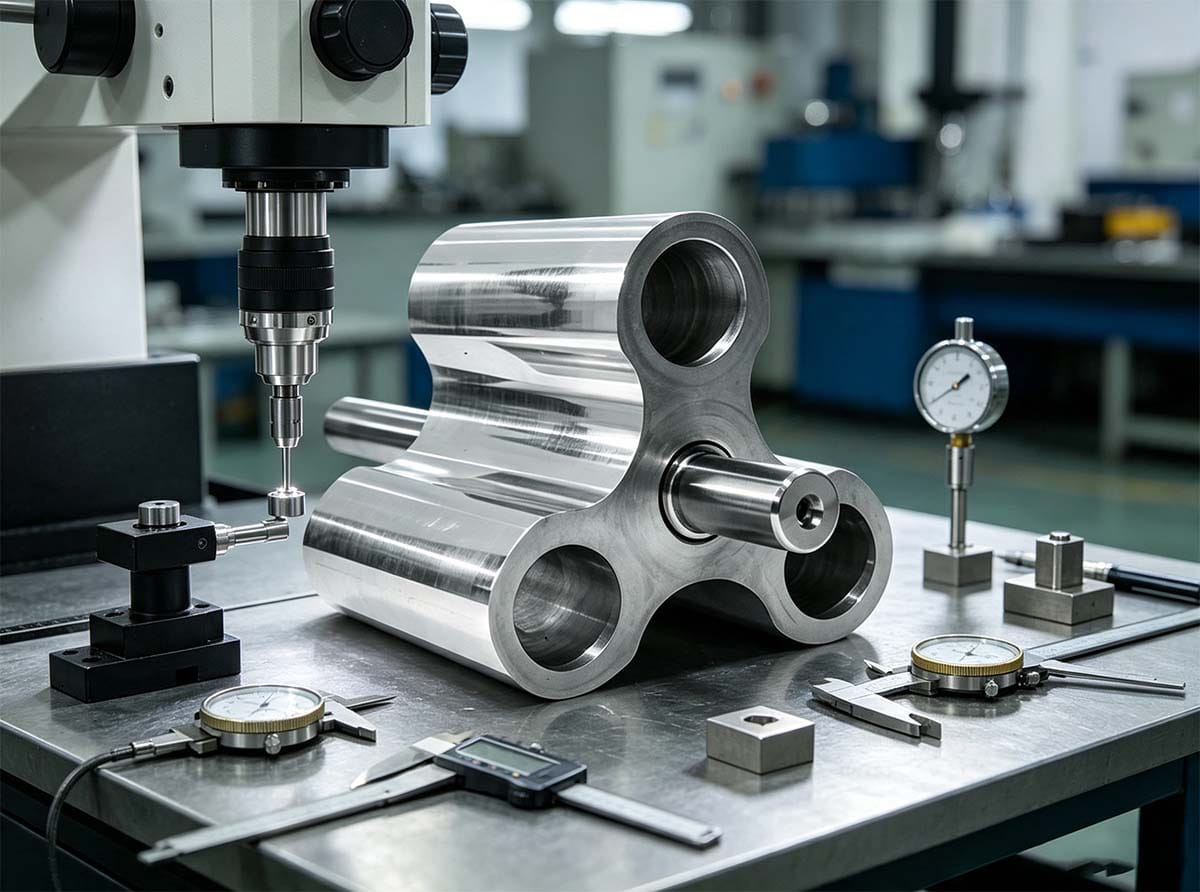
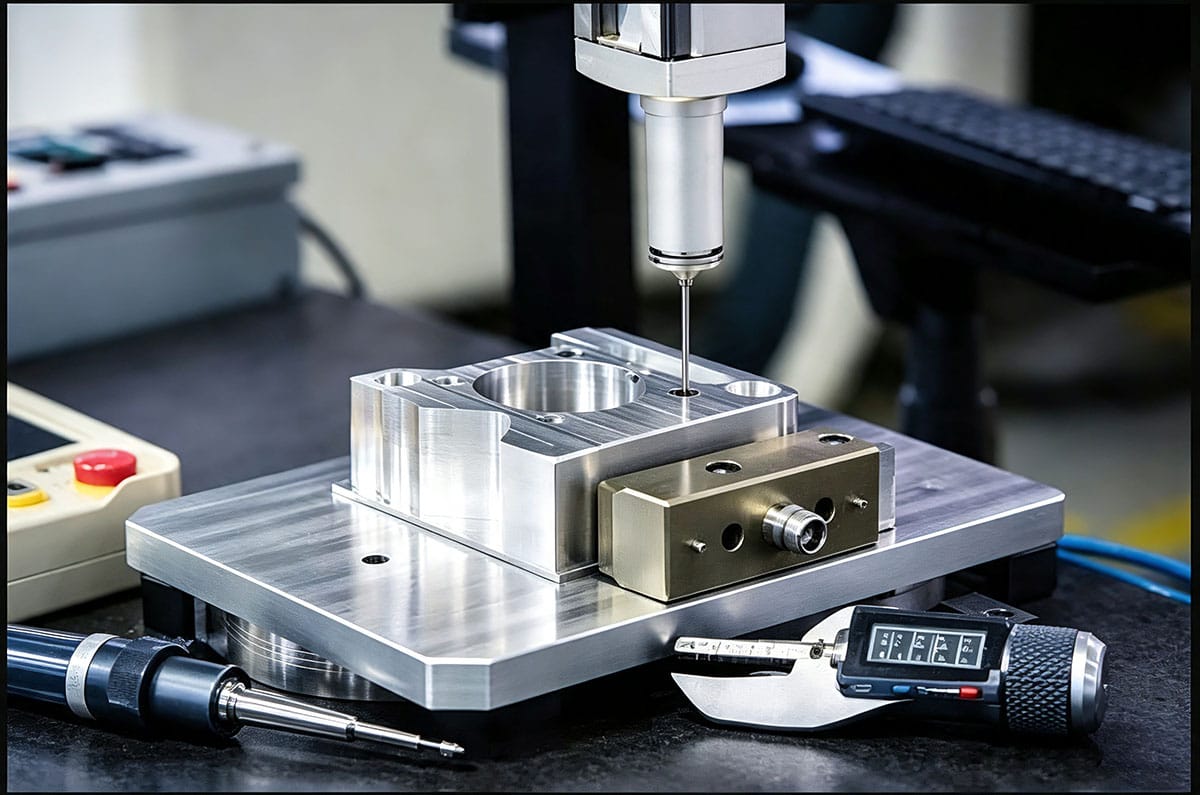
- Quality verification: Complex 5-axis parts demand advanced inspection capability — CMM, 3D scanning, or on-machine probing.
Conclusion
5-axis CNC machining is not a universal upgrade over 3-axis — it is a strategic investment that pays dividends when your part geometry demands it. If your current production involves multiple setups, complex contours, or tight multi-face tolerances, the transition to 5-axis can deliver measurable improvements in quality, lead time, and profitability.
Need help evaluating whether your parts are candidates for 5-axis machining? Contact our engineering team for a free DFM review of your CAD files.


.jpg)