
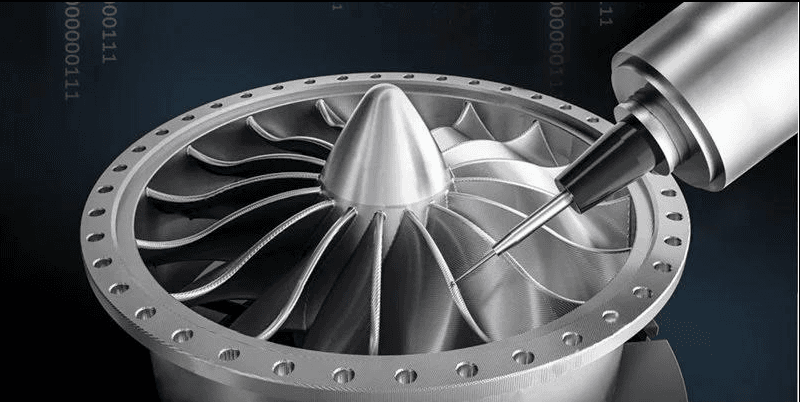
CNC Machining for Aerospace: Materials, Tolerances, and Best Practices

Picture of Kenny Gan
Kenny Gan
Share

Table of Contents

Aerospace components carry higher stakes than most other industries — failure isn’t just costly, it can be catastrophic. That reality shapes nearly every decision in aerospace CNC machining, from material traceability to inspection depth.

Common Aerospace Materials

  • Titanium alloys (Ti-6Al-4V): High strength-to-weight ratio, excellent fatigue and corrosion resistance, standard for structural and engine components. Learn more about titanium CNC machining challenges.
  • Aluminum alloys (7075, 2024): Widely used for airframe brackets, panels, and structural parts where weight savings are critical. See our guide to aluminum alloys.
  • Superalloys (Inconel 718, Haynes 25): Used for turbine and exhaust components that must withstand extreme temperatures and creep stress.

Typical Applications

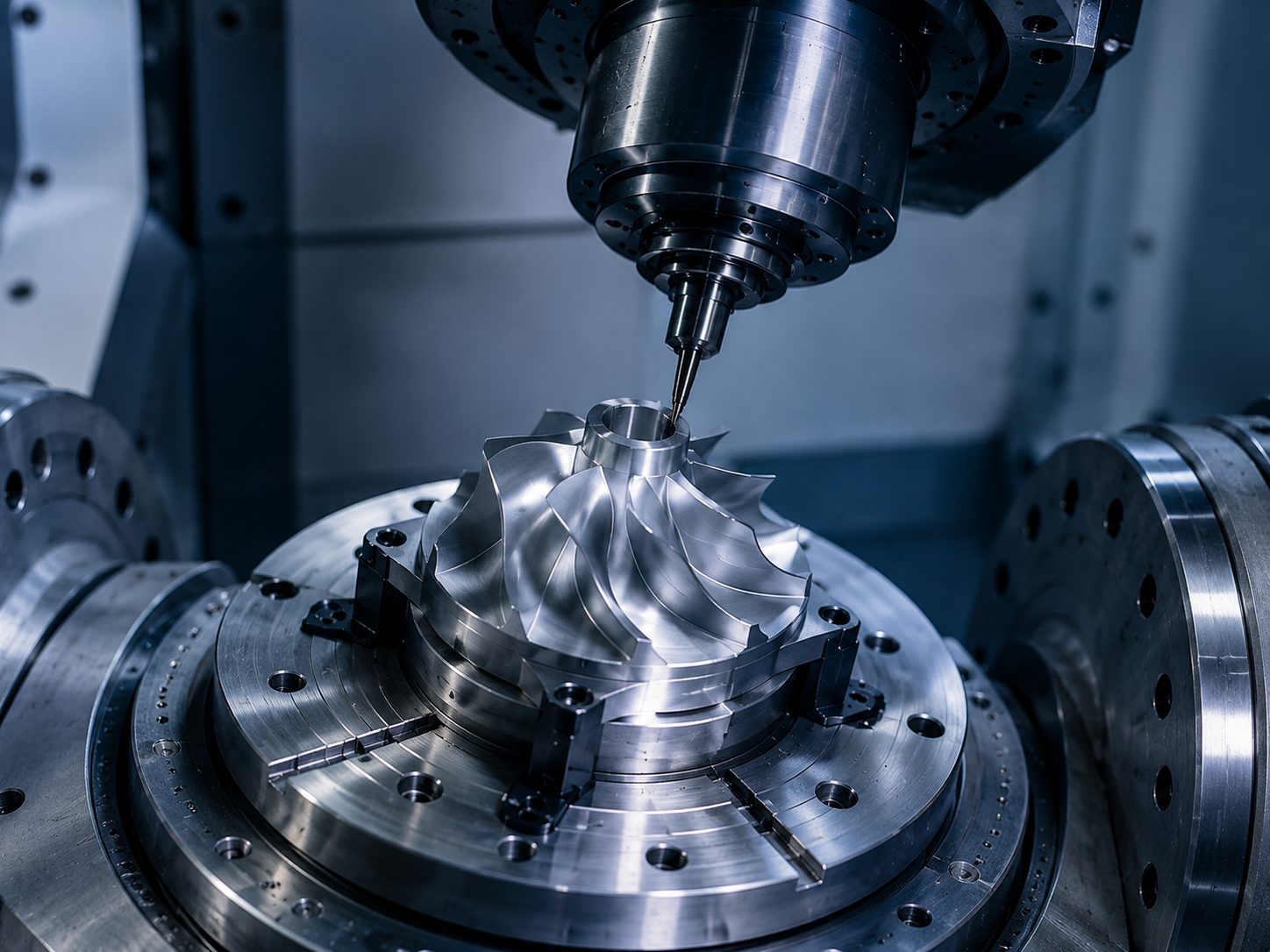
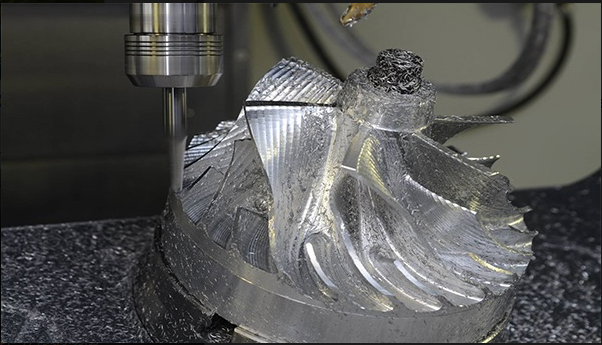
  • Turbine blades and impellers
  • Structural brackets and mounting hardware
  • Manifolds and fluid system components
  • Landing gear parts

Tolerance and Precision Requirements

Aerospace parts frequently require tolerances tighter than general industrial standards — often in the ±0.01mm to ±0.005mm range for critical mating features. Understanding CNC machining tolerances is essential for consistent quality.

Material Traceability

Aerospace buyers typically require full material traceability, including material certificates (MTC/MTR) and process records for any heat treatment or surface finishing performed.

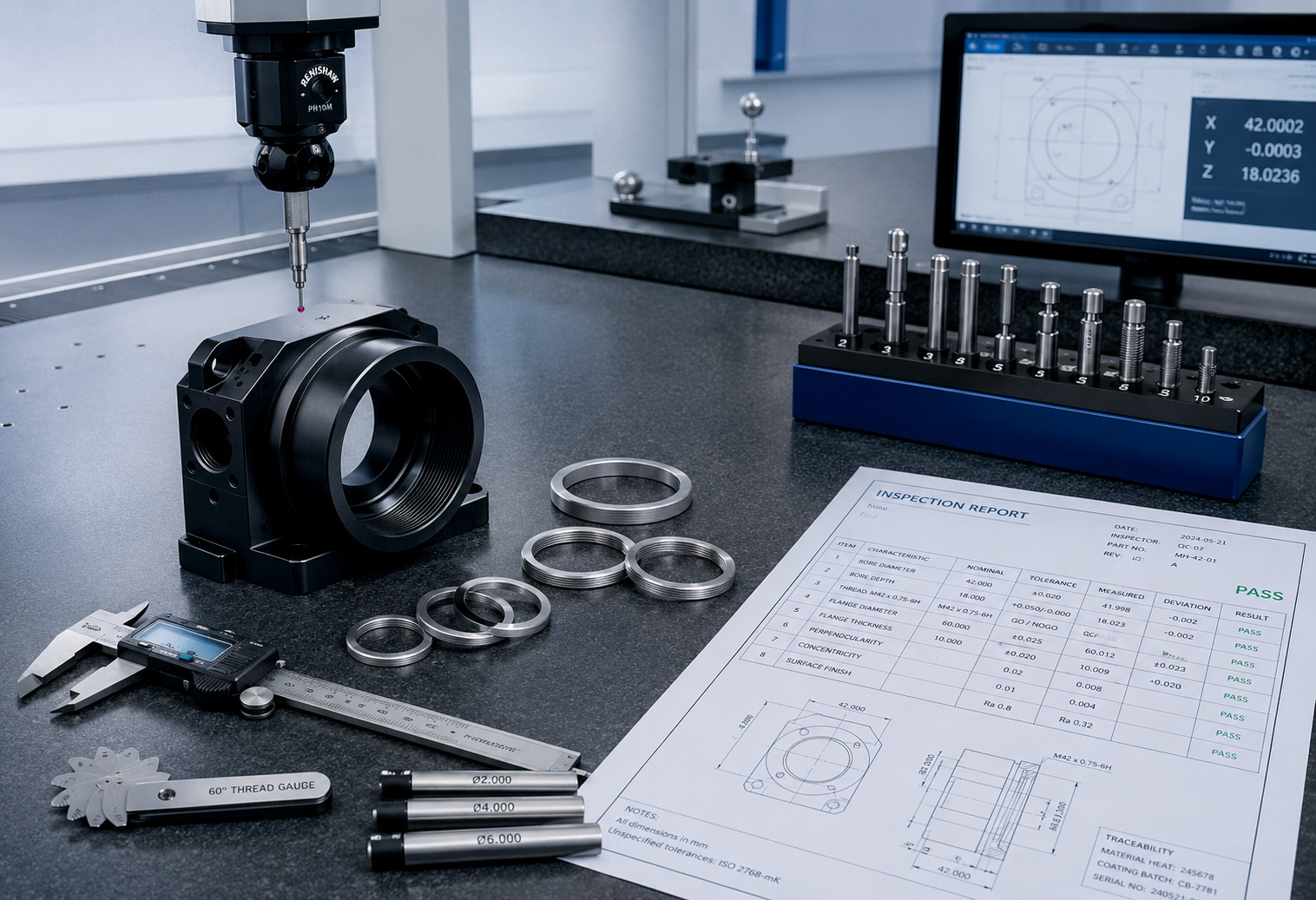
Inspection Requirements

Aerospace parts commonly require more extensive inspection than standard commercial parts:

  • First Article Inspection (FAI): Full dimensional verification of the first part produced.
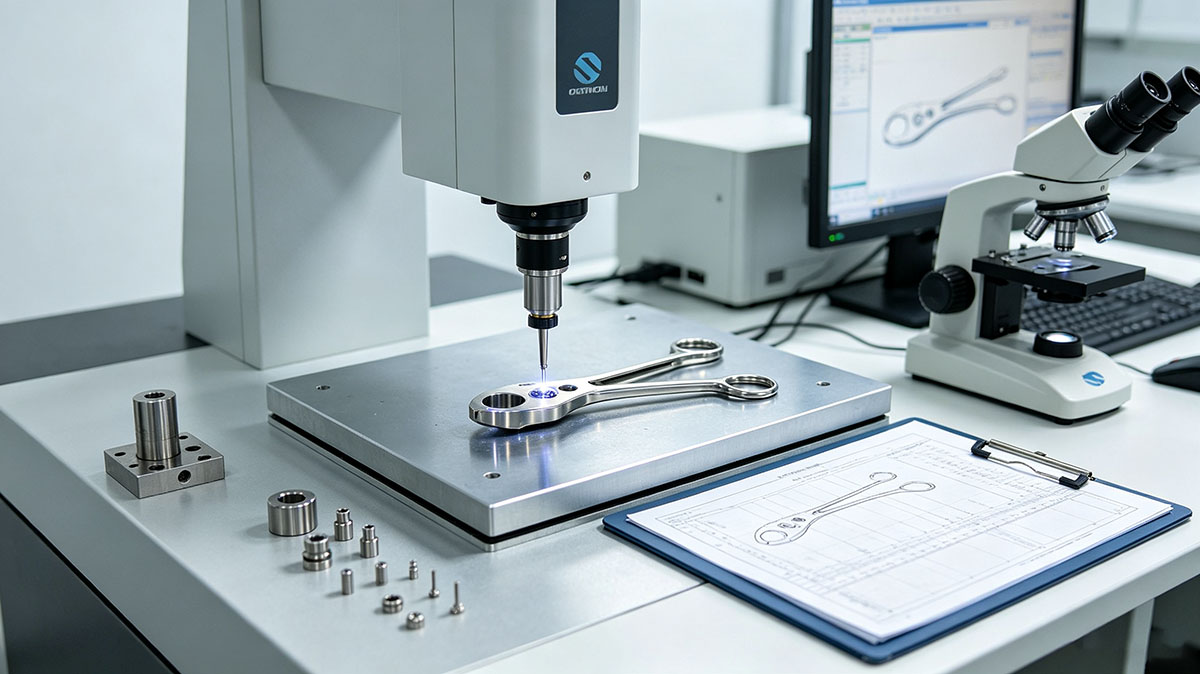
  • CMM inspection: Coordinate measuring machine verification.
  • Surface finish verification: Roughness measurement to confirm compliance.

Common Aerospace Machining Challenges

  1. Titanium’s poor thermal conductivity causes heat to concentrate at the cutting edge.
  2. Thin-wall structural parts are prone to deformation.
  3. Tight tolerance stack-ups demand rigorous process control.

Why Prototype Validation Matters

Given the cost of tooling, validating a design through prototype machining before production run helps confirm fit and function.

FAQ

What tolerances are typical for aerospace CNC parts? Critical features often require ±0.002mm to ±0.02mm.

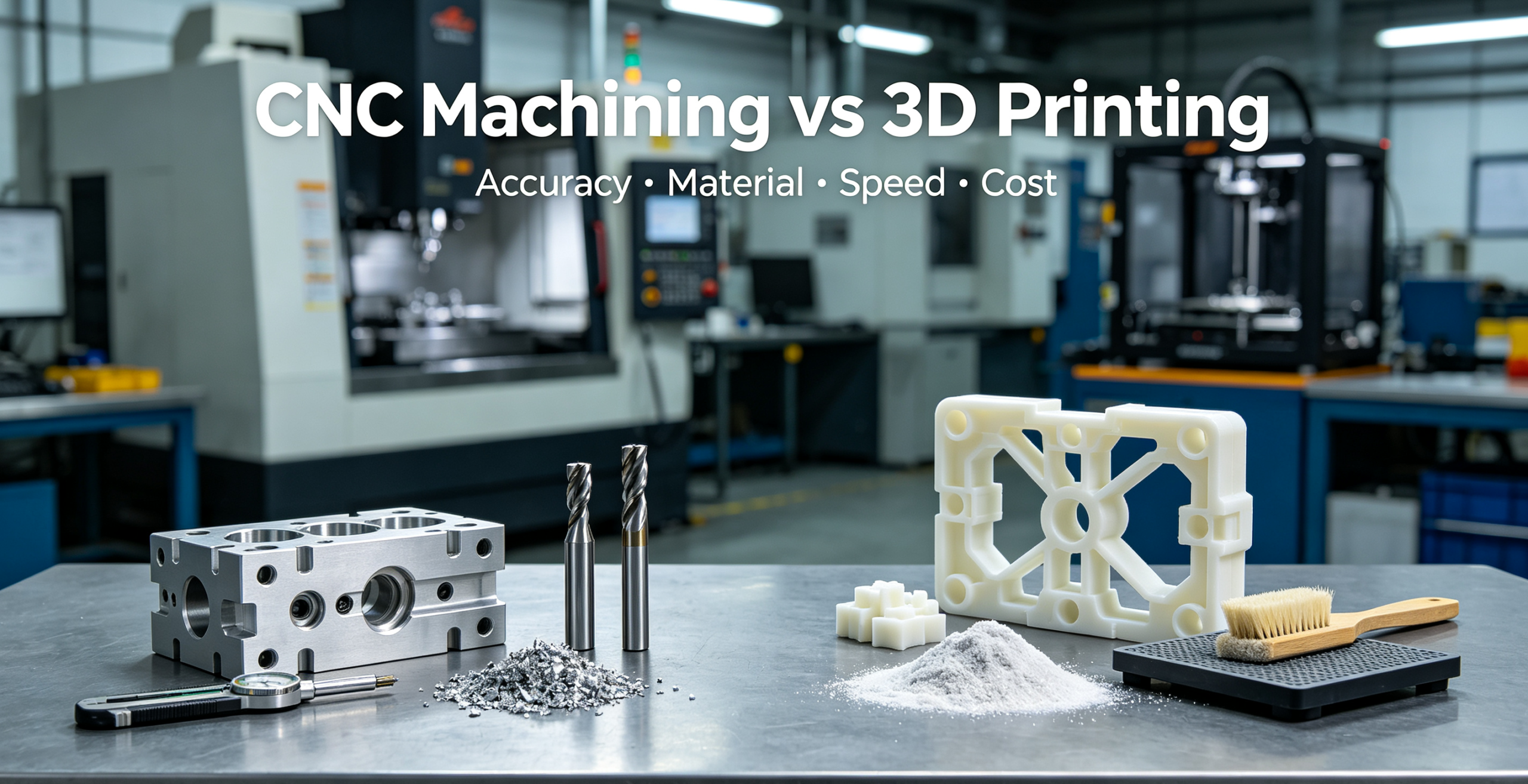
Is CNC machining better than 3D printing for aerospace? It depends on the application; check our comparison of CNC machining vs 3D printing.


Working on an aerospace component? Share your drawing for an engineering review.

Need a Manufacturing Quote?

Upload your drawings and receive DFM feedback, material recommendations, and a clear manufacturing quote.

16+

Year

50K+

Parts Manufactured

98.2%

On-time Delivery

Request a Quote
All Articles From The Author
5-axis machining services for complex impellers and precision metal parts

5-Axis CNC Machining for Impellers: Why It is Essential

In the world of high-precision manufacturing, impeller machining stands out as the ultimate test for CNC technology. The complex, doubly-curved surfaces of impeller blades

Ducted Fan Blade Airfoil Machining: Toolpaths, Strategies, and Precision

The fan blades are the heart of any ducted fan system. They are the components that do the aerodynamic work — accelerating air, generating

CNC Machining vs 3D Printing: How to Choose the Right Manufacturing Method

For decades, CNC machining was the undisputed choice for producing custom parts. Then additive manufacturing — 3D printing — entered the conversation, promising faster

5-Axis CNC Machining vs 3-Axis: When to Upgrade Your Manufacturing Process

In precision manufacturing, the choice between 3-axis and 5-axis CNC machining is one of the most consequential decisions an engineer or procurement manager can

Duct and Housing Machining for Ducted Fans: Achieving Aerodynamic Precision in Enclosures

The duct — also called the shroud, housing, or nacelle — is the defining feature that distinguishes a ducted fan from an open propeller.

How Precision CNC Machining Powers the Medical Device Industry

The medical device industry demands what few other sectors can: near-perfect precision, absolute reliability, and strict material compliance — all while operating under intense

Material traceability for optical parts and assemblies

How to Reduce CNC Machining Costs Without Sacrificing Quality

Custom CNC parts do not have to break the budget. Many engineers unknowingly add cost through design decisions that could easily be adjusted without

5-Axis CNC Machining for Aerospace UAV Components

Ducted fans — also known as shrouded propellers or ducted rotors — represent a specialized category of fluid-moving machinery in which a rotating fan

5-axis machining services for complex impellers and precision metal parts

The Ultimate Guide to 5-Axis CNC Machining: Precision, Efficiency, and Applications

In the Energy and Power Generation sector, components must withstand extreme thermal stresses and high pressures. Similarly, in the Medical Technology field, 5-axis CNC

Start a New Project

Turn Your CAD Files Into Precision Parts

Share your requirements with our engineering team. We will review manufacturability, materials, tolerances and lead time before quoting.

2-Hour Quote

Fast response for complete RFQs

Free DFM Review

Engineering feedback before production

Secure CAD Files

Confidential upload and NDA support

No MOQ

Prototype to low-volume production

Need help preparing an RFQ?

info@tikprecision.com

RFQ Form

Tell Us About Your Project

Upload CAD Files | Free DFM Analysis | 2-Hour Quote | No MOQ Required | NDA Protected