
CNC Machining for Aerospace: Materials, Tolerances, and Best Practices

Picture of Kenny Gan
Kenny Gan
Share

Table of Contents

Aerospace components carry higher stakes than most other industries — failure isn’t just costly, it can be catastrophic. That reality shapes nearly every decision in aerospace CNC machining, from material traceability to inspection depth.

Common Aerospace Materials

  • Titanium alloys (Ti-6Al-4V): High strength-to-weight ratio, excellent fatigue and corrosion resistance, standard for structural and engine components. Learn more about titanium CNC machining challenges.
  • Aluminum alloys (7075, 2024): Widely used for airframe brackets, panels, and structural parts where weight savings are critical. See our guide to aluminum alloys.
  • Superalloys (Inconel 718, Haynes 25): Used for turbine and exhaust components that must withstand extreme temperatures and creep stress.

Typical Applications

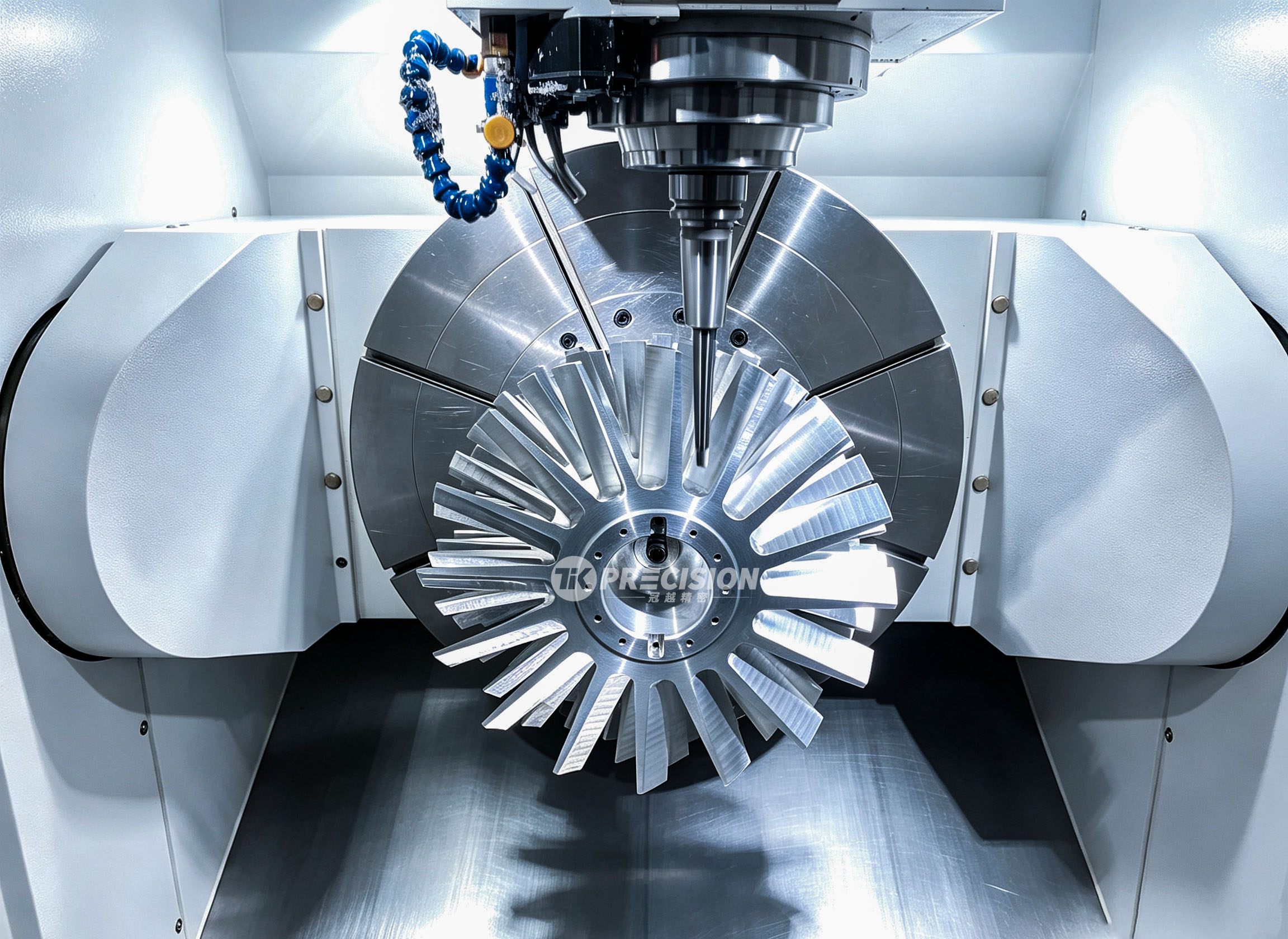
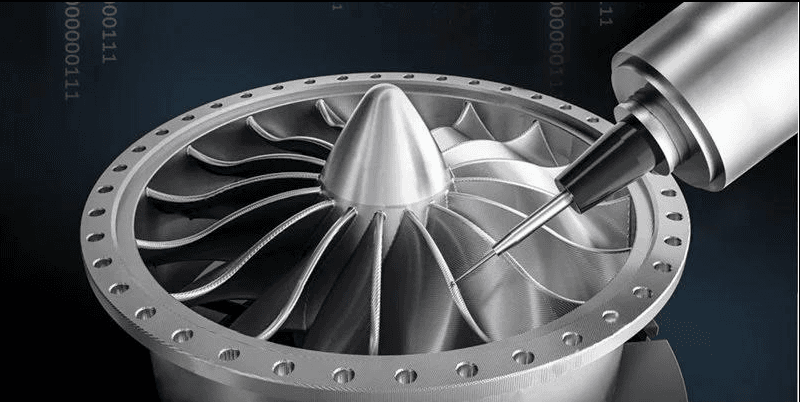
  • Turbine blades and impellers
  • Structural brackets and mounting hardware
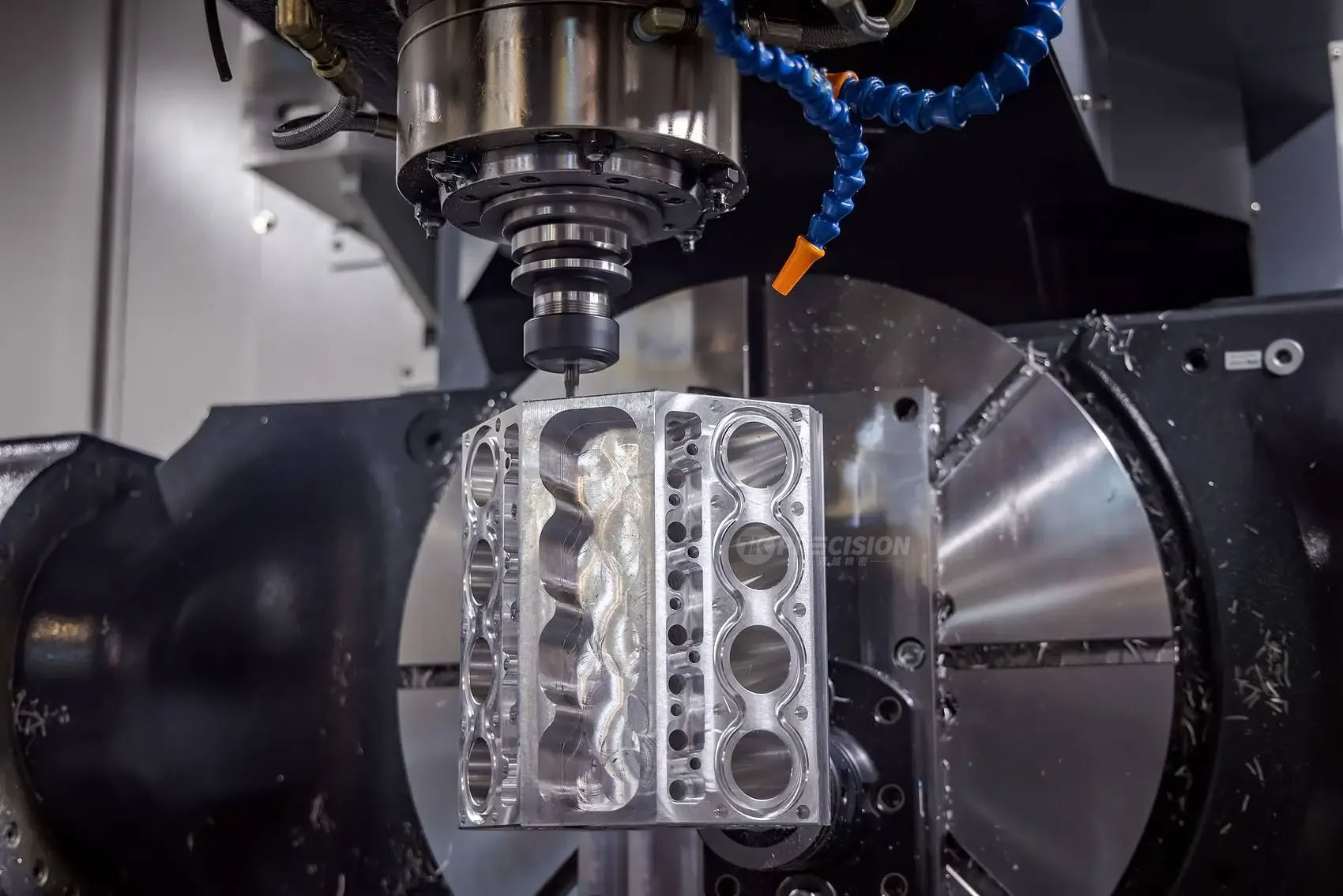
  • Manifolds and fluid system components
  • Landing gear parts

Tolerance and Precision Requirements

Aerospace parts frequently require tolerances tighter than general industrial standards — often in the ±0.01mm to ±0.005mm range for critical mating features. Understanding CNC machining tolerances is essential for consistent quality.

Material Traceability

Aerospace buyers typically require full material traceability, including material certificates (MTC/MTR) and process records for any heat treatment or surface finishing performed.

Inspection Requirements

Aerospace parts commonly require more extensive inspection than standard commercial parts:

  • First Article Inspection (FAI): Full dimensional verification of the first part produced.
  • CMM inspection: Coordinate measuring machine verification.
  • Surface finish verification: Roughness measurement to confirm compliance.

Common Aerospace Machining Challenges

  1. Titanium’s poor thermal conductivity causes heat to concentrate at the cutting edge.
  2. Thin-wall structural parts are prone to deformation.
  3. Tight tolerance stack-ups demand rigorous process control.

Why Prototype Validation Matters

Given the cost of tooling, validating a design through prototype machining before production run helps confirm fit and function.

FAQ

What tolerances are typical for aerospace CNC parts? Critical features often require ±0.002mm to ±0.02mm.

Is CNC machining better than 3D printing for aerospace? It depends on the application; check our comparison of CNC machining vs 3D printing.


Working on an aerospace component? Share your drawing for an engineering review.

Need a Manufacturing Quote?

Upload your drawings and receive DFM feedback, material recommendations, and a clear manufacturing quote.

16+

Year

50K+

Parts Manufactured

98.2%

On-time Delivery

Request a Quote
All Articles From The Author
Swiss CNC machining process using a guide bushing to manufacture high-precision metal components

Precision CNC Machining Services: 5-Axis Technology, Quality & Industry Applications

Learn how precision CNC machining services use 5-axis technology, quality control, and advanced manufacturing processes to produce reliable components for aerospace, medical, semiconductor, energy,
Precision CNC Machining Prototyping Services for Industrial Parts

Next-Gen CNC Machining: Driving Innovation through Precision Prototyping

CNC Machining Prototyping has become an invaluable tool in the product development phase, offering high-speed, precise, and flexible production for a wide range of

Understanding CNC Machining Tolerances

CNC Machining Tolerances Guide | Precision Standards & Cost Optimization

FAQ: CNC Machining Tolerances Q1: What is the standard tolerance for CNC machining?A typical standard tolerance for CNC machining is ±0.127 mm (±0.005 in),

Simultaneous 5-axis CNC machining of a high-precision titanium impeller

Precision Impeller CNC Machining: A Complete Guide to Precision 5-Axis Machining for Turbomachinery Components

Master the complexities of 5‑axis impeller machining – from material selection and CAM programming to inspection and real‑world applications. What Is an Impeller and

Swiss CNC machining compared with traditional CNC machining for precision parts manufacturing

Swiss CNC Machining vs Traditional CNC Machining: Which Is Better for Precision Parts?

Swiss CNC machining has become one of the most trusted manufacturing solutions for producing high-precision components across industries such as medical, aerospace, automotive, and

How to choose a precision CNC machining supplier in China for custom machined parts

Exploring the Importance of Precision Manufacturing in Industry

Why Choosing the Right CNC Machining Supplier Matters Finding the right precision CNC machining supplier is one of the most important decisions for companies

Start a New Project

Turn Your CAD Files Into Precision Parts

Share your requirements with our engineering team. We will review manufacturability, materials, tolerances and lead time before quoting.

2-Hour Quote

Fast response for complete RFQs

Free DFM Review

Engineering feedback before production

Secure CAD Files

Confidential upload and NDA support

No MOQ

Prototype to low-volume production

Need help preparing an RFQ?

info@tikprecision.com

RFQ Form

Tell Us About Your Project

Upload CAD Files | Free DFM Analysis | 2-Hour Quote | No MOQ Required | NDA Protected