
CNC Machining Tolerances Guide: How to Choose the Right Precision

Picture of Kenny Gan
Kenny Gan
Share

Table of Contents

When engineers request a quote for custom CNC parts, one question comes up almost every time: “What CNC machining tolerances do we actually need?” Specifying a tolerance that’s tighter than necessary can significantly increase machining time, tooling wear, and inspection cost. This guide breaks down how to choose the right precision level for your project to optimize fit, function, and budget.

What Is a Machining Tolerance?

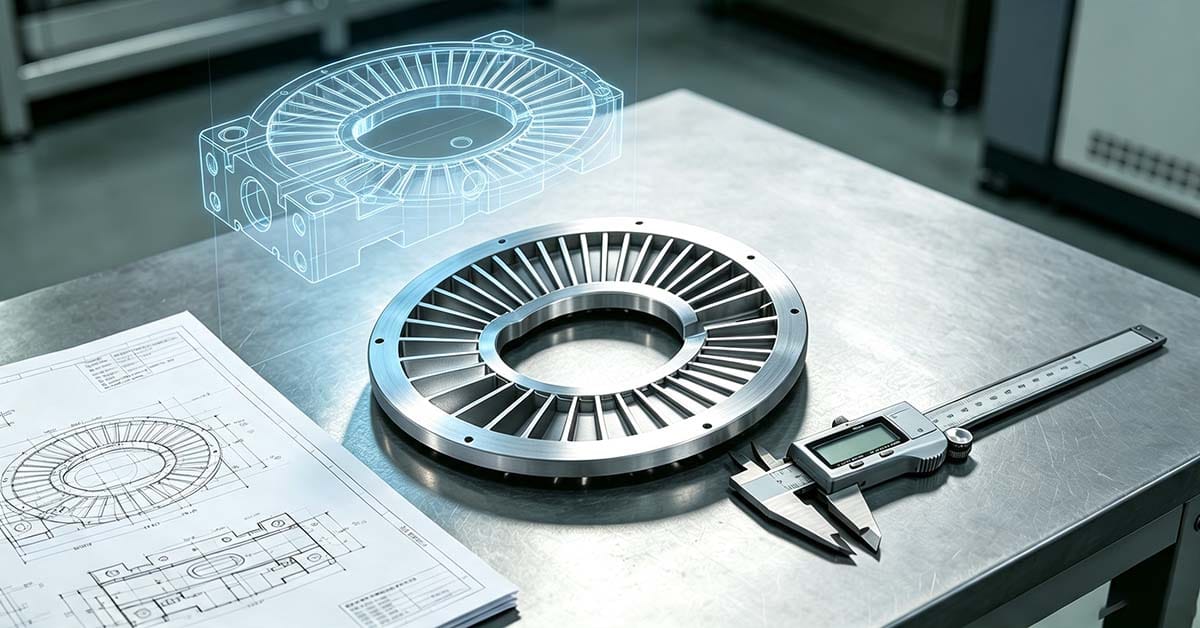
A tolerance is the acceptable range of variation allowed on a dimension. Instead of a single perfect number, every dimension in precision CNC machining services has an upper and lower limit. For example, a shaft specified at 10mm with a tolerance of ±0.05mm can measure anywhere from 9.95mm to 10.05mm and still be considered a quality part.

Typical CNC Machining Tolerance Ranges

  • Standard Tolerance (±0.05mm): Suitable for most brackets, housings, and general mechanical parts.
  • Precision Tolerance (±0.01mm to ±0.02mm): Essential for press fits, bearing seats, and mating components.
  • Ultra-Precision Tolerance (±0.005mm): Reserved for critical aerospace CNC machining, optical, or medical components.

Factors Affecting CNC Precision

  1. Material Choice: Softer metals machine more predictably than exotic alloys like Titanium, which can deflect under tool pressure.
  2. Part Geometry: Thin walls and deep pockets are harder to hold tight tolerances on due to vibration.
  3. Machine Capability: High-end 5-axis machines offer better thermal compensation for consistent precision.

How to Optimize Tolerances for SEO and Cost

To reduce costs, apply tight tolerances only to critical mating surfaces (bearing bores, sealing faces) and use standard tolerances for general features. This is a key part of any DFM checklist for CNC machining.

Frequently Asked Questions

What is a standard CNC tolerance? Most shops hold ±0.05mm as standard for general dimensions.

Does tighter tolerance mean higher quality? Not necessarily. Tolerance should match the functional requirement; over-specifying adds unnecessary cost.

Conclusion

Choosing the correct CNC machining tolerances is vital for the success of your mechanical design. Whether you are working on a simple fixture or a complex aerospace turbine blade, understanding these limits ensures your parts perform as expected. Contact Tik Precision today for a professional DFM review of your drawings.


Need a Manufacturing Quote?

Upload your drawings and receive DFM feedback, material recommendations, and a clear manufacturing quote.

16+

Year

50K+

Parts Manufactured

98.2%

On-time Delivery

Request a Quote
All Articles From The Author
Custom CNC parts manufacturer for precision components

Tight Tolerance CNC Machining for Metal Prototype Parts: A Supplier Guide

Learn how tight-tolerance CNC machining produces reliable metal prototype parts. Compare achievable tolerances, materials, machine capability, DFM review, thermal stability, and CMM inspection.

I Need Custom CNC Machined Parts for Our Car Prototype Testing Where to Get

A Practical Guide to Finding the Right CNC Machining Supplier for Automotive Prototypes If you are developing a new vehicle, EV platform, performance car,

5-axis-cnc-machining-compressor-impeller-titanium-alloy-tikprecision

Best Impeller Machining Suppliers for Complex Turbomachinery Parts

Compare impeller machining suppliers and learn how 5-axis CNC machining, material expertise, inspection, balancing, and quality systems affect supplier selection.
5‑axis CNC machining turbine diffuser, Inconel alloy part being milled with cutting tool and coolant spray inside CNC machine, precision aerospace component manufacturing

Turbo Diffuser CNC Machining: 5-Axis Precision, CMM Inspection & Supplier Guide

Turbo Diffuser CNC Machining: Key Challenges and Quality Controls Turbo diffuser CNC machining requires precise control of complex aerodynamic surfaces, thin walls, and difficult-to-cut

±0.01 mm CNC Machining Tolerance: Can Every Machine Achieve It?

A drawing may specify a tolerance of ±0.01 mm, but that does not automatically mean every CNC machine can reliably produce the part within

CNC machined aluminum part with engineering drawing, caliper measurement and CAD model in a precision manufacturing workshop

Why Do CNC Machined Parts Look Different From the Drawing? Tolerances Explained

A CNC machined part may look different from the CAD model and still meet the drawing requirements. Learn how tolerances, surface finish, edge breaks,
Close-up of a machined shaft sleeve part showing the stepped bore, chamfered edge, and turned outer diameter finish

Shaft Sleeve Machining: A Complete Guide to Datums, Bores, Tolerances and Inspection

A practical guide to shaft sleeve machining, covering CNC turning, stepped bores, datums, fixturing, tolerances, inspection, materials and production readiness.
Rapid prototyping services for custom prototype parts

CNC Machining Scale-Up: From Prototype to Mass Production

A successful prototype does not guarantee a successful production run. Moving from a few CNC machined prototypes to thousands of parts introduces new risks

Surface Finish Problems in CNC Machining: Causes, Solutions, and Quality Control

Surface finish is a critical requirement for high-precision CNC machined components. A poor surface finish can negatively impact a part’s appearance, sealing capabilities, friction

Start a New Project

Turn Your CAD Files Into Precision Parts

Share your requirements with our engineering team. We will review manufacturability, materials, tolerances and lead time before quoting.

2-Hour Quote

Fast response for complete RFQs

Free DFM Review

Engineering feedback before production

Secure CAD Files

Confidential upload and NDA support

No MOQ

Prototype to low-volume production

Need help preparing an RFQ?

info@tikprecision.com

RFQ Form

Tell Us About Your Project

Upload CAD Files | Free DFM Analysis | 2-Hour Quote | No MOQ Required | NDA Protected