
CNC Machining Material Selection Guide | Metals & Plastics Comparison

Picture of Kenny Gan
Kenny Gan
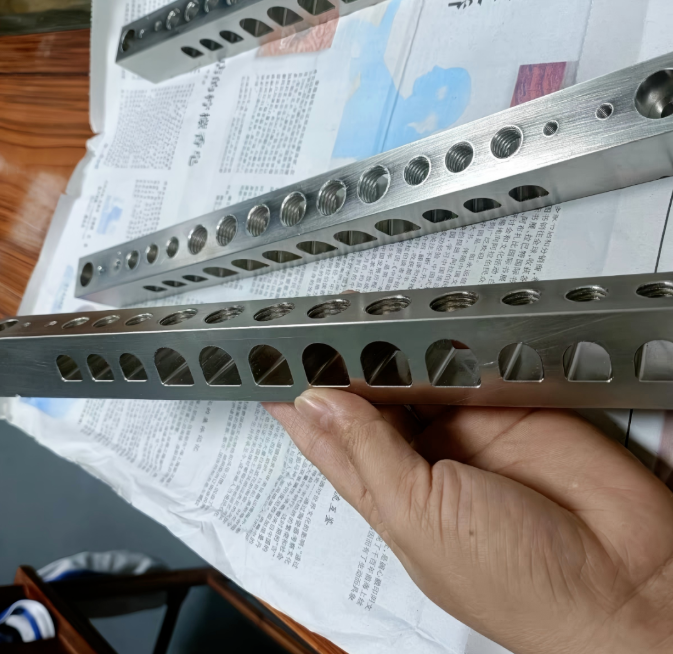
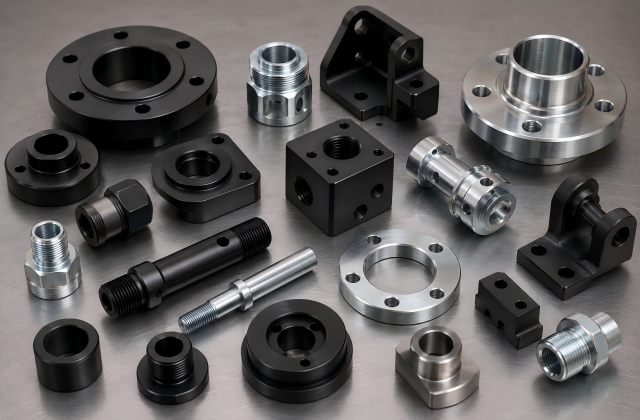
CNC machined metal and plastic parts for custom projects
Share

Table of Contents

In the world of high-precision manufacturing, the difference between a successful project and a costly failure often lies in CNC machining material selection. Choosing the right substrate impacts not only the part’s final performance but also the machining speed, tool life, and overall production cost. Consequently, this comprehensive guide explores the critical factors and top material choices for achieving micron-level accuracy.

1. Critical Factors in CNC Machining Material Selection

Before picking a material, engineers must evaluate the specific requirements of the application. Specifically, to ensure optimal CNC machining material selection, you should consider:

  • Machinability: How easily can the material be cut while maintaining a superior surface finish?
  • Thermal Stability: Does the material expand significantly under heat? This is vital for maintaining tight tolerances during long machining cycles.
  • Corrosion Resistance: Will the part be exposed to harsh chemicals or outdoor environments?
  • Strength-to-Weight Ratio: Critical for aerospace and medical applications.

2. Top Metal Choices for High Precision

Aluminum 6061 & 7075

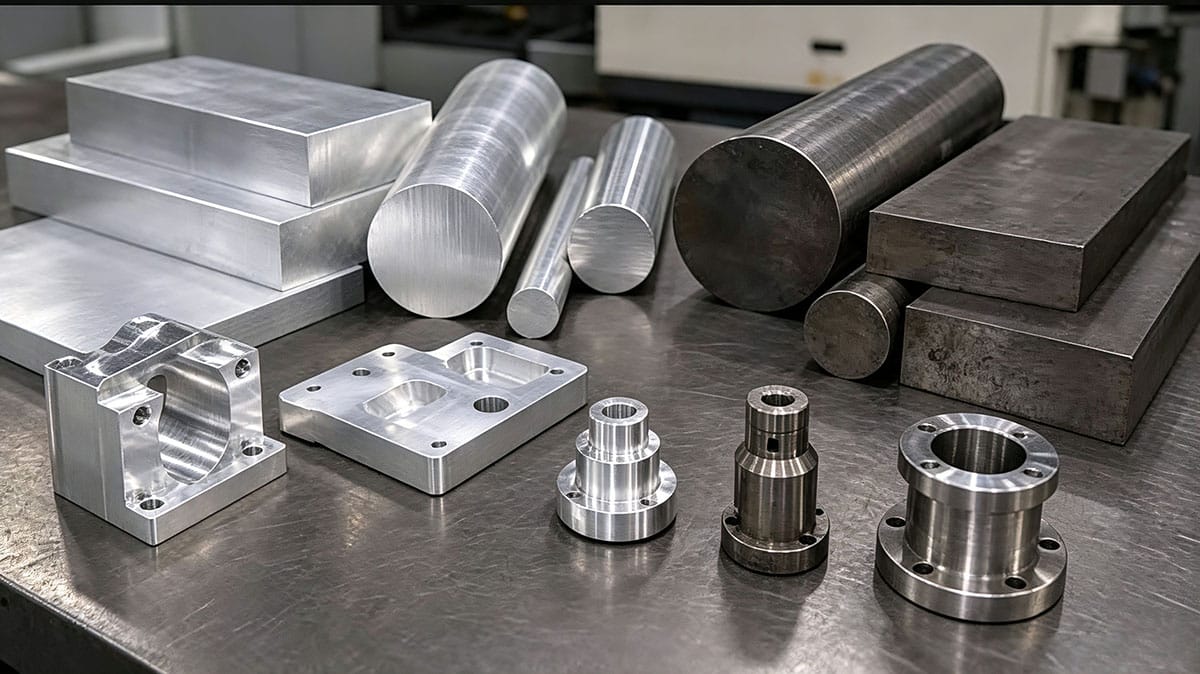
Aluminum is the “workhorse” of the industry. In addition, 6061 offers excellent machinability and corrosion resistance, while 7075 provides aircraft-grade strength. Both are ideal for rapid prototyping and complex geometries, making them top picks in CNC machining material selection.
CNC Machining Material Selection for Metal and Plastic Parts

Stainless Steel 304 & 316

Known for exceptional durability and corrosion resistance. Furthermore, 316 Stainless Steel is the preferred choice for medical devices and marine components due to its superior resistance to chlorides.

Titanium (Grade 5)

Titanium offers the strength of steel at nearly half the weight. Although it is challenging to machine due to its low thermal conductivity, it remains indispensable for aerospace and medical implants.

3. High-Performance Plastics for Precision Parts

Not all precision parts are metal. Engineering plastics offer unique benefits in CNC machining material selection:

  • PEEK: High thermal stability and chemical resistance; often replaces metal in demanding environments.
  • POM (Delrin): Excellent dimensional stability and low friction, making it perfect for gears and sliding parts.
  • PTFE (Teflon): Renowned for its non-stick properties and high-temperature tolerance.

4. Achieving Micron-Level Tolerances

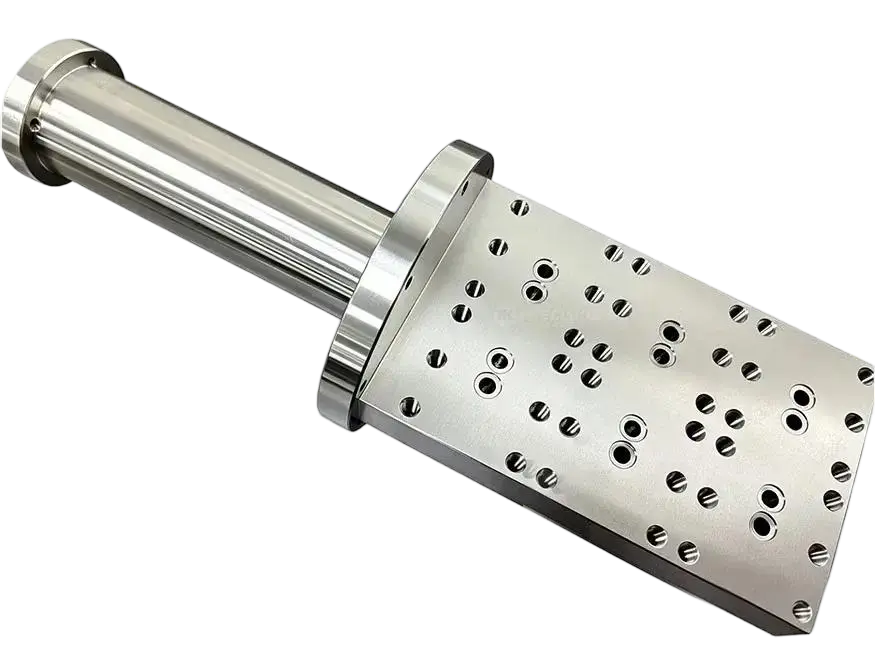
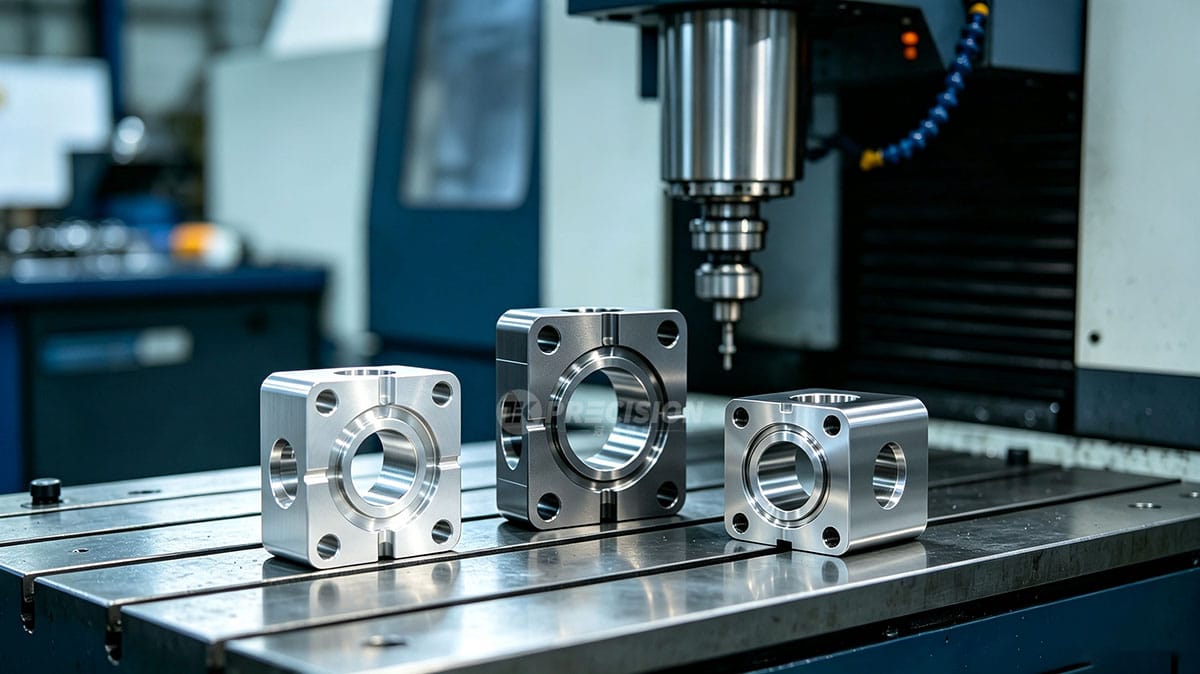
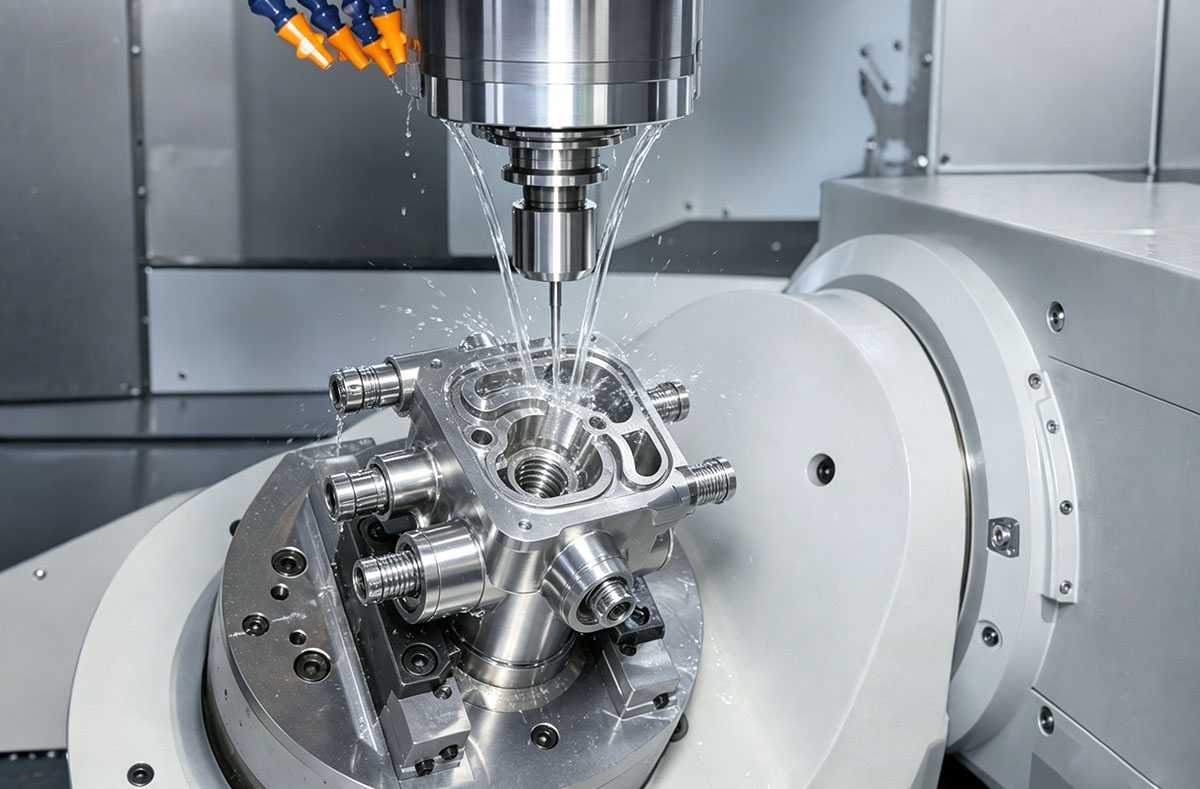
Material selection is only half the battle. To achieve high-precision tolerances, one must consider the interaction between the material and 5-axis machining capabilities. Therefore, stress-relieved materials are often preferred to prevent warping after the machining process.

Final Thoughts on CNC Machining Material Selection

Selecting the right material is a strategic decision that balances performance, manufacturability, and cost. At Tik Precision, we specialize in helping clients navigate CNC machining material selection to deliver world-class components.


Need a Manufacturing Quote?

Upload your drawings and receive DFM feedback, material recommendations, and a clear manufacturing quote.

16+

Year

50K+

Parts Manufactured

98.2%

On-time Delivery

Request a Quote
All Articles From The Author

Aluminum vs Titanium vs Stainless Steel: CNC Material Selection Guide

Material selection has more impact on part performance, cost, and lead time than almost any other decision in the design process. Choosing between Aluminum

Alloy steel CNC milling for high-strength components

Machining Exotic Alloys: Inconel, Hastelloy, Duplex, and Nickel-Based Superalloys

Exotic alloys are the materials engineers turn to when standard stainless steels and aluminum cannot survive the operating environment—jet engine hot sections at 1,000°C,

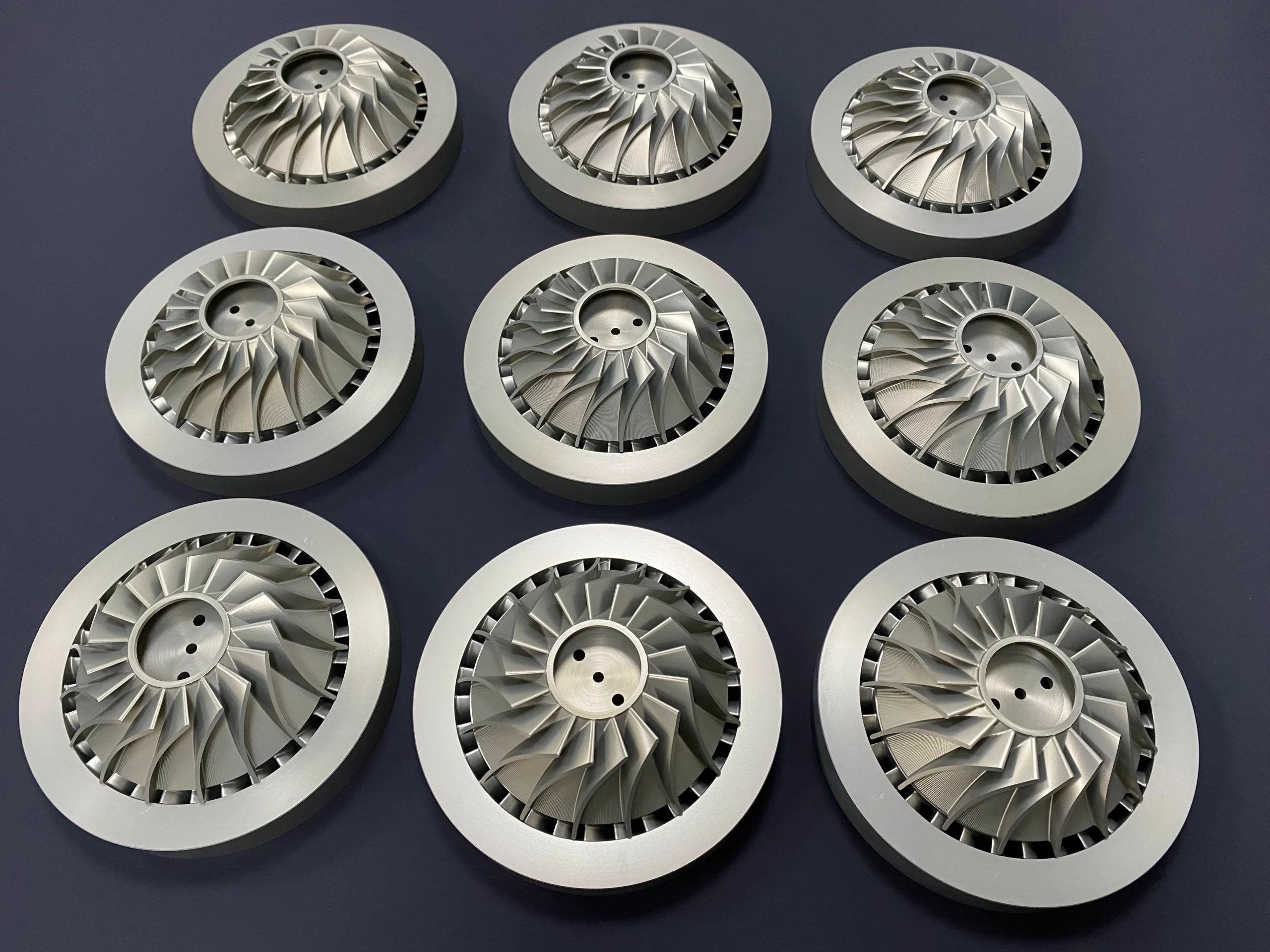
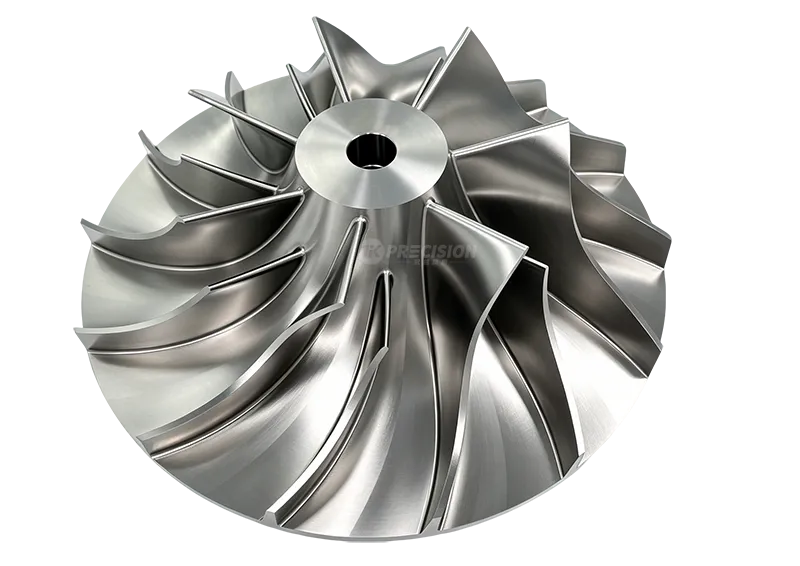
5 Axis CNC Machining Aluminum Turbo Turbine Impeller Wheel | Aerospace Batch Custom Precision Machined Parts

Precision Machining of Superalloys and Titanium for Aerospace Turbine Parts | Global CNC Services

At Tik Precision, we specialize in the complex CNC machining requirements of the global aerospace industry. The performance of modern aircraft engines depends heavily

Featured image for CNC machining material selection article, comparing mechanical performance, machinability, weight and cost of aluminum alloy, titanium alloy and stainless steel for custom precision machined components.

Aluminum vs Titanium vs Stainless Steel: CNC Material Selection Guide

Material selection has more impact on part performance, cost, and lead time than almost any other decision in the design process. Choosing between aluminum,

CNC Machining for Medical Devices: Materials, Tolerances, and Compliance

Medical device components — from surgical instruments to orthopedic implants — must meet standards that go beyond typical industrial parts. Biocompatibility, precise tolerances, and

5-axis simultaneous CNC machining for complex titanium medical geometries

Titanium Alloy Medical Parts Low-Volume Machining: Which Factory Truly Have the Capability?

I. The Hidden Barriers of TC4 Titanium Alloy Machining for Medical Devices During the sourcing phase of medical device components, many R&D engineers encounter

Titanium CNC machining forprecision metal parts

Impeller Materials: Selecting the Right Alloy for Your Application

The material from which an impeller is machined is not a secondary consideration — it directly determines the component’s maximum operating speed, corrosion resistance,

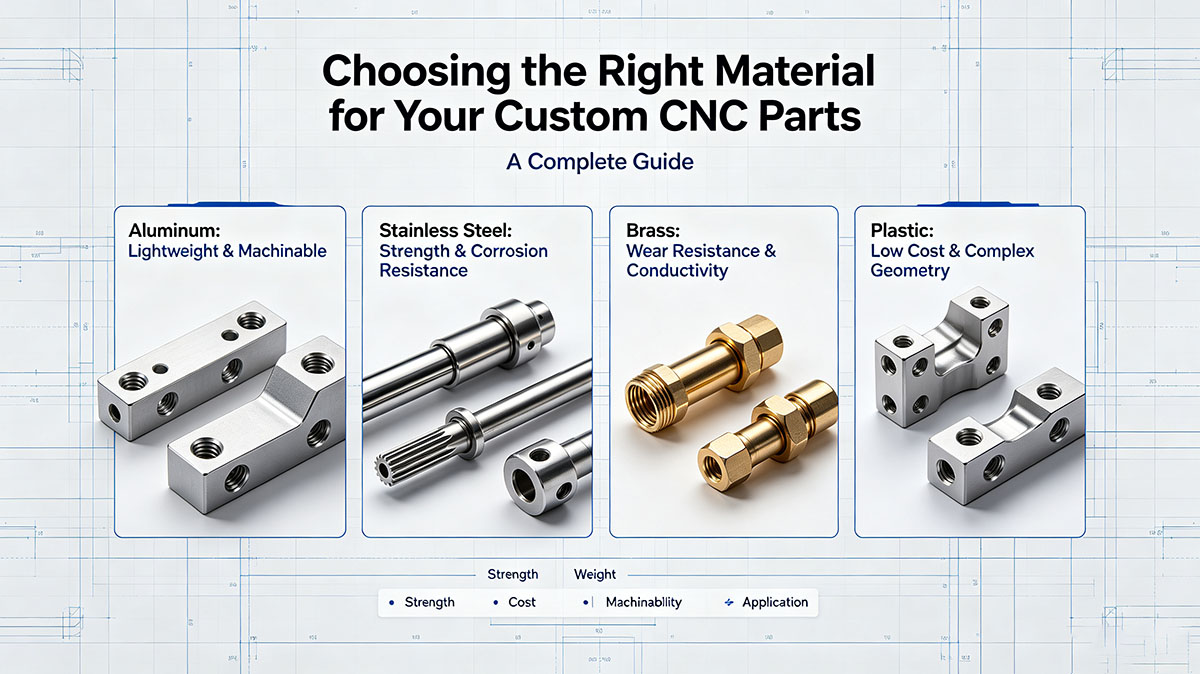
Choosing the Right Material for Your Custom CNC Parts: A Complete Guide

Selecting the right material is the single most impactful decision in custom CNC part design. The wrong choice leads to premature failure, excessive cost,

Precision Aerospace CNC Machining for High-Temperature Alloys - Tik Precision

Material Selection Guide for High-Precision CNC Machining

Material Selection Guide for High-Precision CNC Machining In the world of high-precision manufacturing, achieving micron-level tolerances and superior surface finishes depends on more than

Start a New Project

Turn Your CAD Files Into Precision Parts

Share your requirements with our engineering team. We will review manufacturability, materials, tolerances and lead time before quoting.

2-Hour Quote

Fast response for complete RFQs

Free DFM Review

Engineering feedback before production

Secure CAD Files

Confidential upload and NDA support

No MOQ

Prototype to low-volume production

Need help preparing an RFQ?

info@tikprecision.com

RFQ Form

Tell Us About Your Project

Upload CAD Files | Free DFM Analysis | 2-Hour Quote | No MOQ Required | NDA Protected