
Equipment and Tooling Selection for Aerospace Turbine Machining

Picture of Kenny Gan
Kenny Gan
Share

Table of Contents

The precision and reliability required for aerospace turbine components begin with the machine tools and tooling systems used to produce them. Selecting the right equipment for blade, disk, and casing machining is a foundational decision. This choice directly influences achievable tolerances, production efficiency, and long-term process stability. At Tik Precision, we combine precision CNC machining services with the latest technology to meet these standards.

Machining Challenges in Aerospace Turbines

Manufacturing turbine components involves overcoming significant technical hurdles. These challenges require specialized equipment and expertise:

  • Work Hardening: Nickel-based superalloys harden instantly at the cut surface. This requires precise feed rates to stay beneath the hardened layer.
  • Thin-Wall Distortion: Airfoils and casings often feature thin-wall geometries. These are prone to vibration and deformation under cutting forces.
  • Extreme Thermal Loads: Low thermal conductivity in exotic alloys concentrates heat at the tool tip. This risks surface integrity and accelerates wear.

Material Selection and Machinability

Choosing the right material is a balance between engine performance and manufacturing feasibility. Understanding how to machine exotic alloys is essential for success:

  • Inconel 718 and 625: These are preferred for hot-section components due to exceptional creep resistance.
  • Titanium Alloys (Ti-6Al-4V): As the standard for compressor sections, they offer high strength-to-weight ratios.
  • Single-Crystal Superalloys: These are used for high-pressure turbine blades to maximize thermal fatigue life.

Equipment Considerations for Blade and Vane Machining

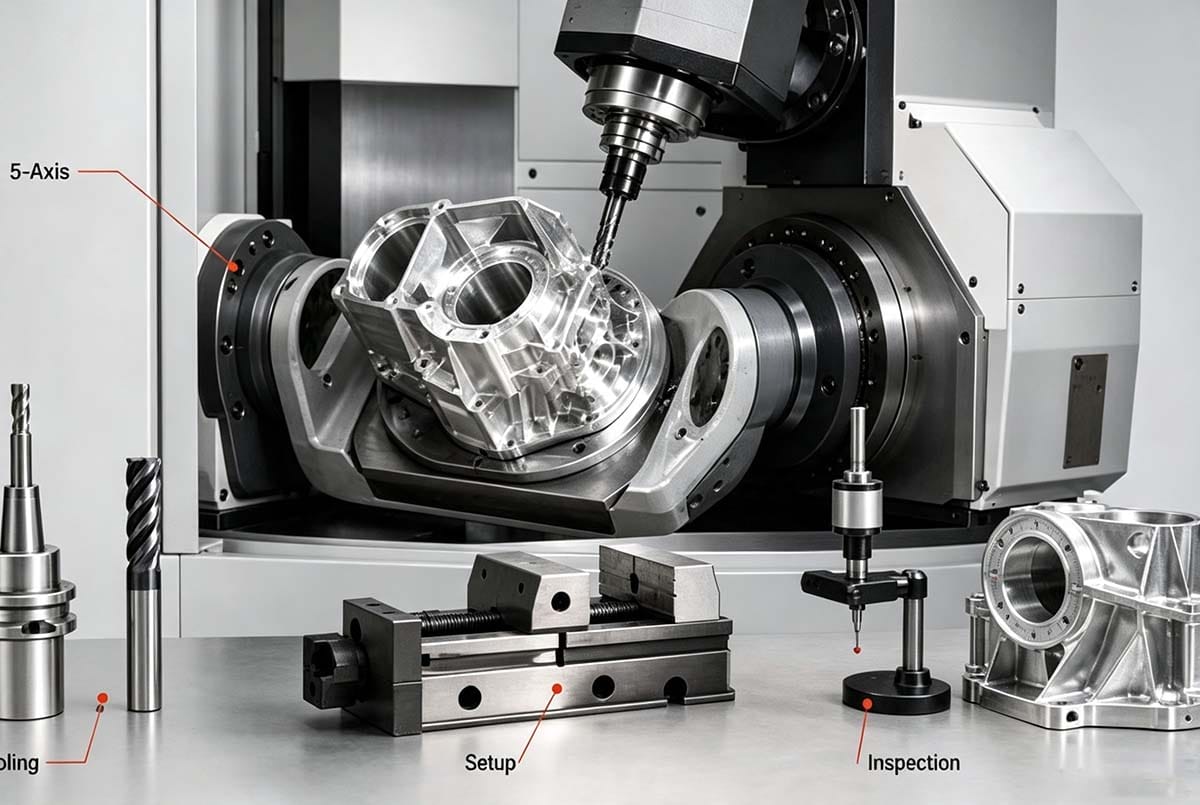
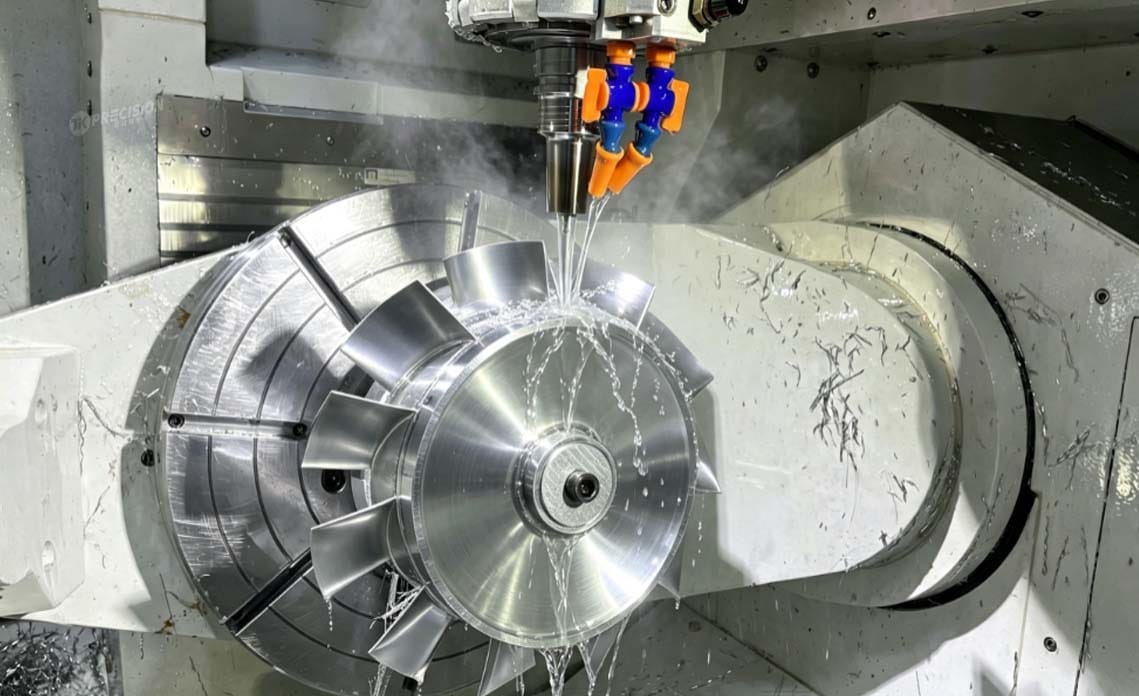
To maintain accuracy, we utilize advanced hardware. Our team often relies on 5-axis CNC machining for complex geometries:

  • Simultaneous Five-Axis Capability: This is essential for maintaining optimal tool orientation across twisted airfoil surfaces.
  • High Machine Rigidity: Robust equipment helps maintain accuracy over long production runs despite substantial cutting forces.
  • Integrated In-Process Probing: This technology supports real-time measurement and closed-loop compensation.

Tolerance Control and Surface Finishing

Aerospace standards demand sub-micron precision. We achieve this through rigorous aerospace CNC machining practices:

  • Precision Grinding and Honing: These processes are used for critical mating surfaces with tight tolerances.
  • Surface Integrity Management: Controlled finishing introduces beneficial compressive residual stresses to extend fatigue life.

DFM: Design for Manufacturability Strategies

Optimizing designs for the machine shop reduces costs and lead times. Following a DFM checklist is a key part of our workflow:

  • Tool Access Optimization: We design geometries that allow tools to reach all surfaces without complex setups.
  • Standardized Radii: Minimizing tool changes by unifying internal corner radii across the part design saves time.

Frequently Asked Questions

Why is 5-axis machining required for blades?
It allows the tool to remain perpendicular to complex, twisted surfaces. This ensures a superior surface finish and dimensional accuracy.

How do you handle material work hardening?
We use rigid setups and sharp specialized tooling. We also ensure the depth of cut always stays below the previously hardened layer.

Conclusion

Thoughtful equipment selection forms the foundation for aerospace quality. Tik Precision aligns investment with product complexity to deliver consistent, certifiable results. For more information, explore our guide on aerospace turbine blade machining.


Need a Manufacturing Quote?

Upload your drawings and receive DFM feedback, material recommendations, and a clear manufacturing quote.

16+

Year

50K+

Parts Manufactured

98.2%

On-time Delivery

Request a Quote
All Articles From The Author
Custom CNC parts manufacturer for precision components

Tight Tolerance CNC Machining for Metal Prototype Parts: A Supplier Guide

Learn how tight-tolerance CNC machining produces reliable metal prototype parts. Compare achievable tolerances, materials, machine capability, DFM review, thermal stability, and CMM inspection.

I Need Custom CNC Machined Parts for Our Car Prototype Testing Where to Get

A Practical Guide to Finding the Right CNC Machining Supplier for Automotive Prototypes If you are developing a new vehicle, EV platform, performance car,

5-axis-cnc-machining-compressor-impeller-titanium-alloy-tikprecision

Best Impeller Machining Suppliers for Complex Turbomachinery Parts

Compare impeller machining suppliers and learn how 5-axis CNC machining, material expertise, inspection, balancing, and quality systems affect supplier selection.
5‑axis CNC machining turbine diffuser, Inconel alloy part being milled with cutting tool and coolant spray inside CNC machine, precision aerospace component manufacturing

Turbo Diffuser CNC Machining: 5-Axis Precision, CMM Inspection & Supplier Guide

Turbo Diffuser CNC Machining: Key Challenges and Quality Controls Turbo diffuser CNC machining requires precise control of complex aerodynamic surfaces, thin walls, and difficult-to-cut

±0.01 mm CNC Machining Tolerance: Can Every Machine Achieve It?

A drawing may specify a tolerance of ±0.01 mm, but that does not automatically mean every CNC machine can reliably produce the part within

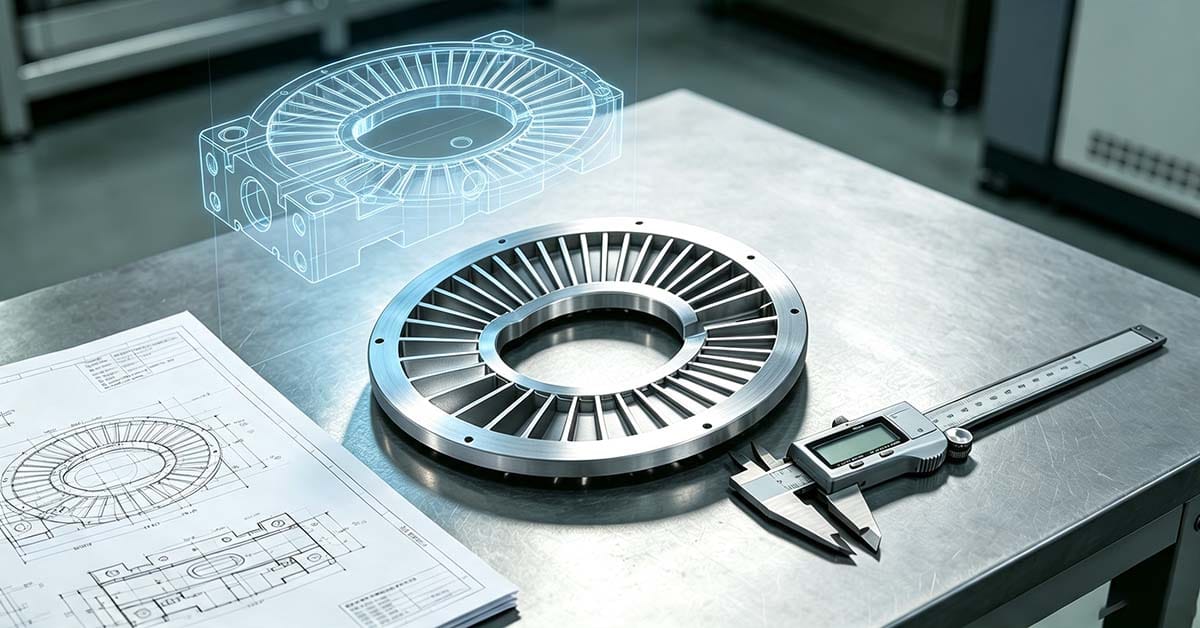
CNC machined aluminum part with engineering drawing, caliper measurement and CAD model in a precision manufacturing workshop

Why Do CNC Machined Parts Look Different From the Drawing? Tolerances Explained

A CNC machined part may look different from the CAD model and still meet the drawing requirements. Learn how tolerances, surface finish, edge breaks,
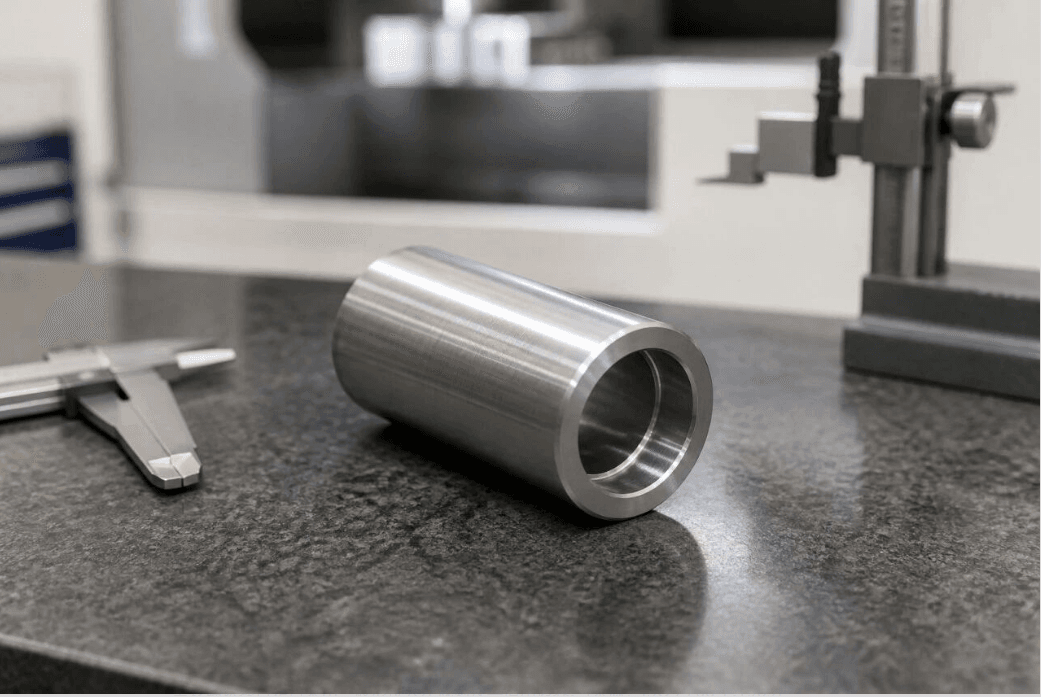
Close-up of a machined shaft sleeve part showing the stepped bore, chamfered edge, and turned outer diameter finish

Shaft Sleeve Machining: A Complete Guide to Datums, Bores, Tolerances and Inspection

A practical guide to shaft sleeve machining, covering CNC turning, stepped bores, datums, fixturing, tolerances, inspection, materials and production readiness.
Rapid prototyping services for custom prototype parts

CNC Machining Scale-Up: From Prototype to Mass Production

A successful prototype does not guarantee a successful production run. Moving from a few CNC machined prototypes to thousands of parts introduces new risks

Surface Finish Problems in CNC Machining: Causes, Solutions, and Quality Control

Surface finish is a critical requirement for high-precision CNC machined components. A poor surface finish can negatively impact a part’s appearance, sealing capabilities, friction

Start a New Project

Turn Your CAD Files Into Precision Parts

Share your requirements with our engineering team. We will review manufacturability, materials, tolerances and lead time before quoting.

2-Hour Quote

Fast response for complete RFQs

Free DFM Review

Engineering feedback before production

Secure CAD Files

Confidential upload and NDA support

No MOQ

Prototype to low-volume production

Need help preparing an RFQ?

info@tikprecision.com

RFQ Form

Tell Us About Your Project

Upload CAD Files | Free DFM Analysis | 2-Hour Quote | No MOQ Required | NDA Protected