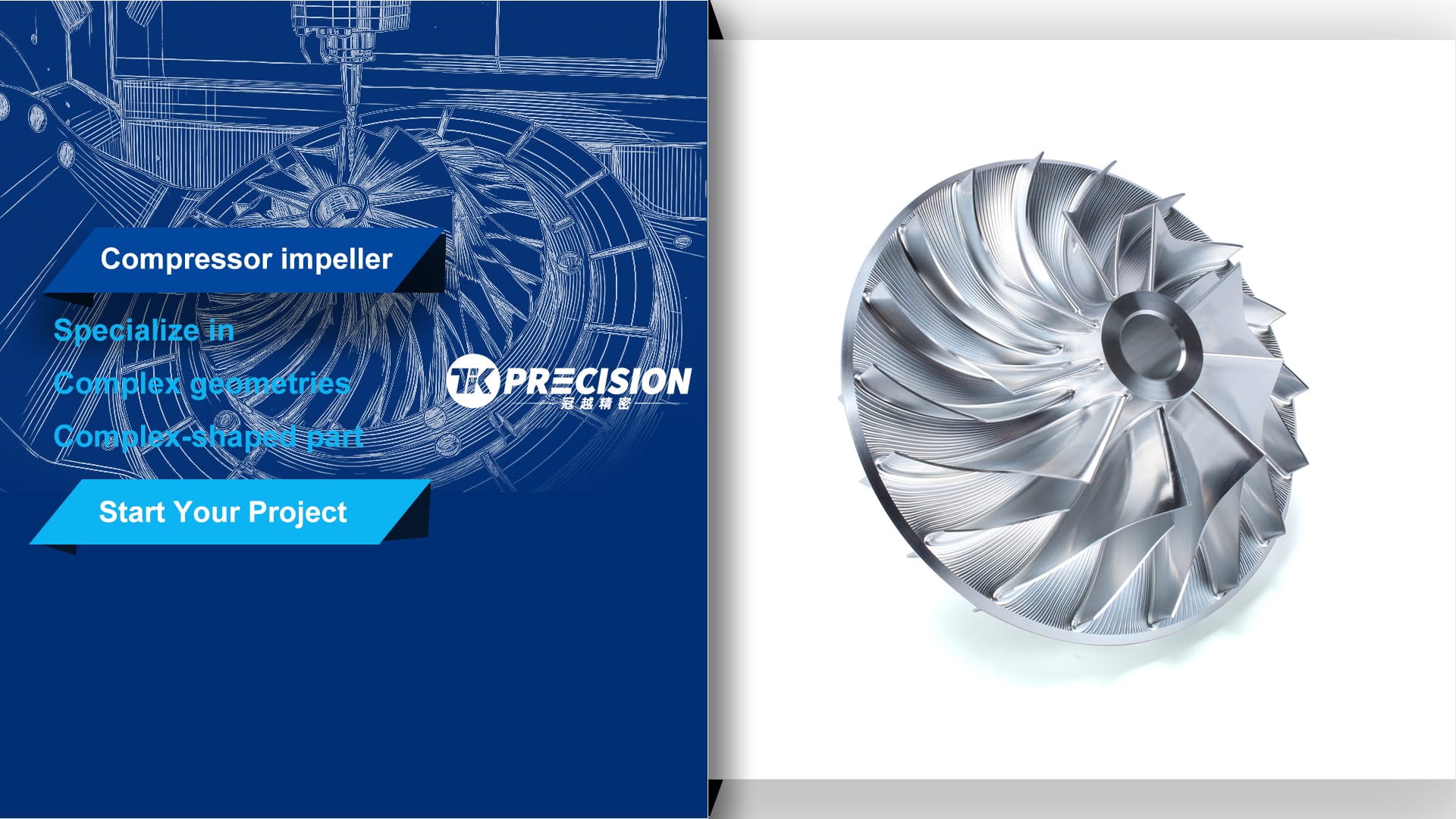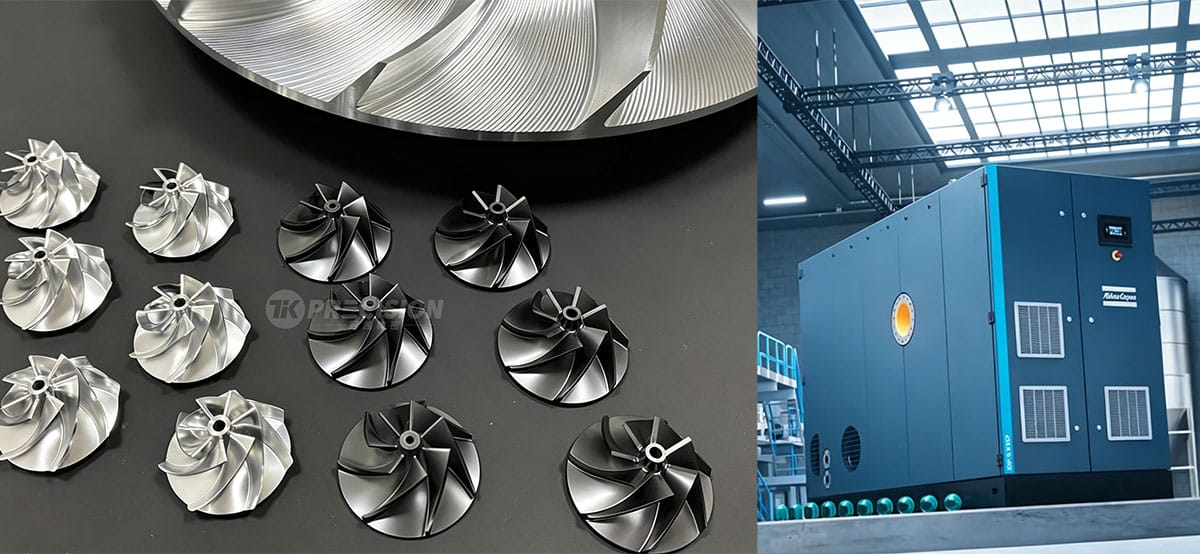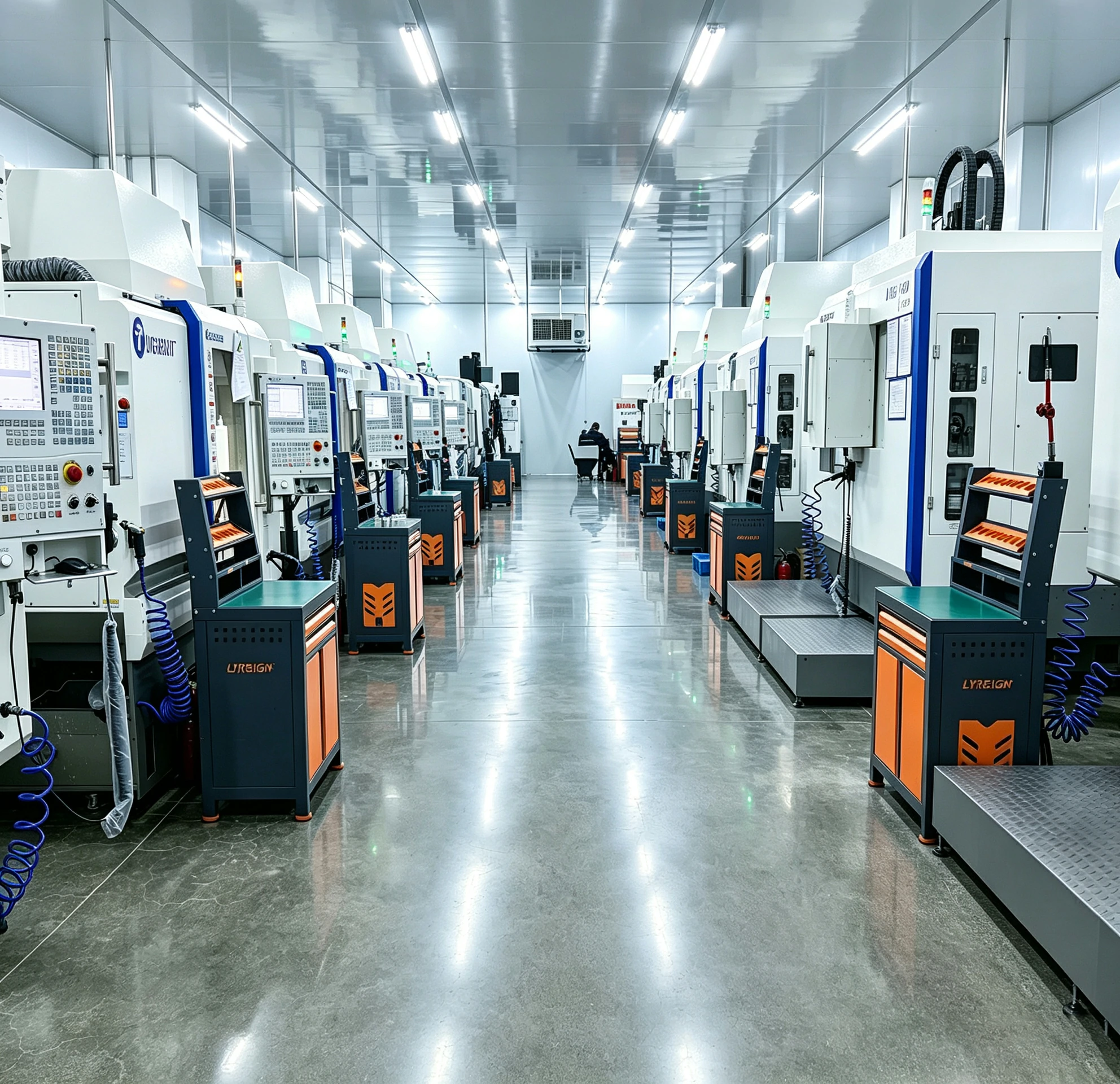

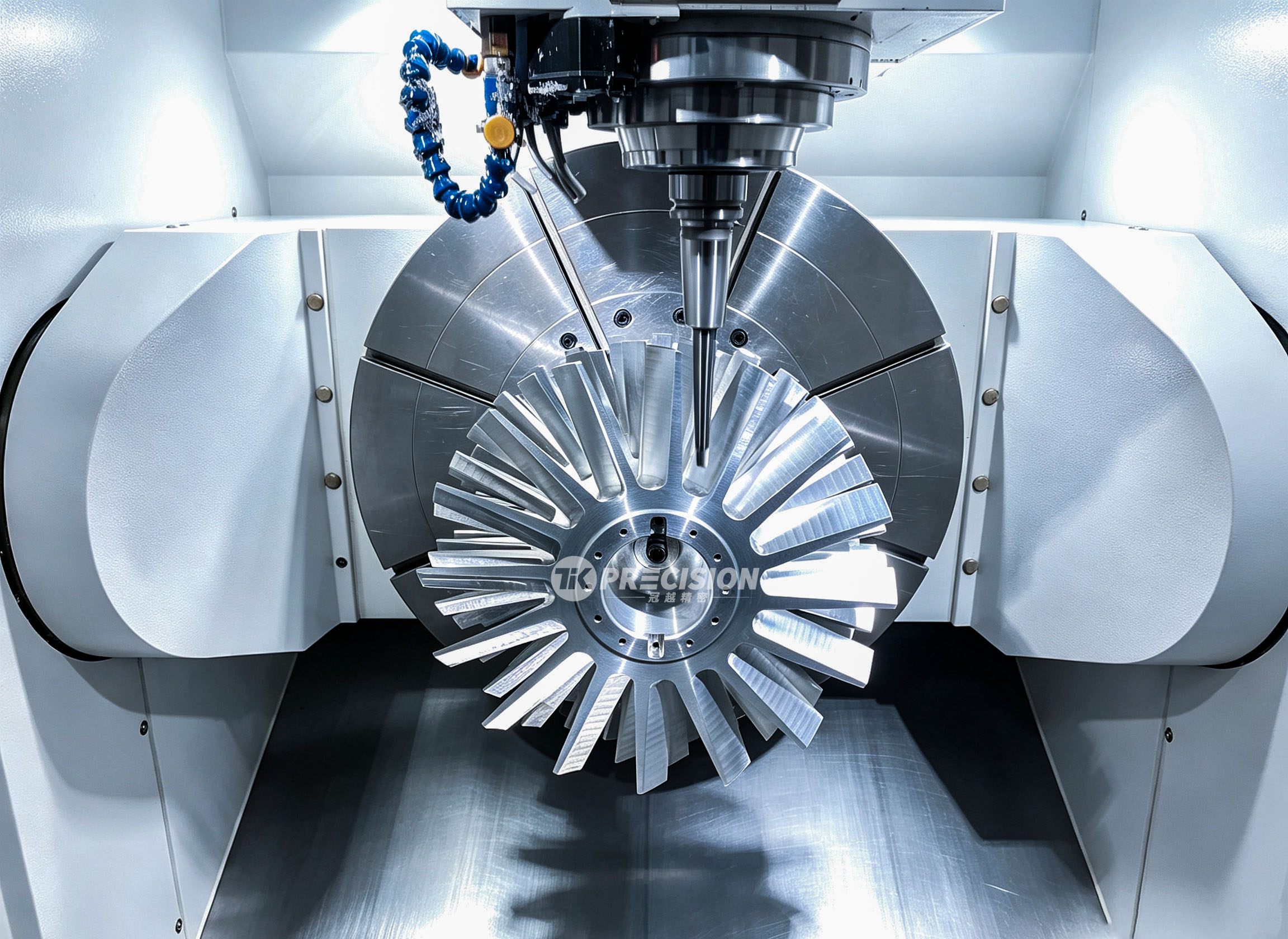
A precision-machined impeller is only as good as its final surface. While CNC technology ensures geometric accuracy, post-machining treatments like polishing, coating, and shot peening define how the component performs in high-stress environments. The right finish can extend service life by years, whereas the wrong choice can lead to failure within hours. This guide explores the essential surface treatments for high-performance CNC impellers. For a look at the initial fabrication process, visit our Complete Guide to Precision 5-Axis Impeller Machining.
Why Surface Treatment is Non-Negotiable
Impellers face extreme operational challenges that can compromise their integrity:
- Fluid Erosion: High-velocity particles can wear down blade profiles over time.
- Cavitation Damage: Vapor bubble collapse creates shockwaves that pit surfaces.
- Chemical Corrosion: Aggressive fluids require specialized protection. Learn more about corrosion-resistant stainless steel machining.
- Structural Fatigue: High RPMs can initiate cracks at surface imperfections.
Mechanical Polishing: Enhancing Efficiency
The Process: Using progressively finer abrasives, mechanical polishing smooths the impeller’s surface. Robotic cells are now commonly used to ensure consistency across complex blade geometries.
The Result: Reduces surface roughness to Ra 0.2-0.4 µm, significantly boosting hydraulic efficiency. For a broader look at finishing, see our Complete Guide to Surface Finishes.
Electropolishing: Precision for Internal Passages
The Process: An electrochemical bath dissolves microscopic peaks, creating a mirror-like finish. It is particularly effective for reaching internal passages that mechanical tools cannot access.
The Result: Achieves Ra 0.1 µm or better. This level of precision is vital for medical device components that require maximum biocompatibility.
Shot Peening: Maximizing Fatigue Life
The Process: Bombarding the surface with spherical media induces compressive residual stress, which acts as a shield against crack propagation.
The Result: Can improve fatigue life by up to 300%, making it a standard requirement for aerospace compressor and turbine components.
Anodizing: Hardness for Aluminum Alloys
The Process: Type III (Hardcoat) anodizing creates a durable aluminum oxide layer that rivals the hardness of case-hardened steel.
The Result: Provides exceptional wear and corrosion resistance for aluminum impellers. Detailed insights can be found in our Anodizing Aluminum Technical Guide.
Advanced Coatings & Platings
PTFE (Teflon) Impregnation
Applied after anodizing, PTFE creates a non-stick, low-friction surface that prevents fouling in chemical processing applications.
Electroless Nickel Plating
Offers uniform protection against corrosion even on the most complex geometries. Compare this with other methods in our plating comparison guide.
Conclusion: Choosing the Right Partner
Tik Precision provides end-to-end impeller solutions — from 5-axis machining to certified surface treatments and balancing. Contact us today to optimize your component’s performance.